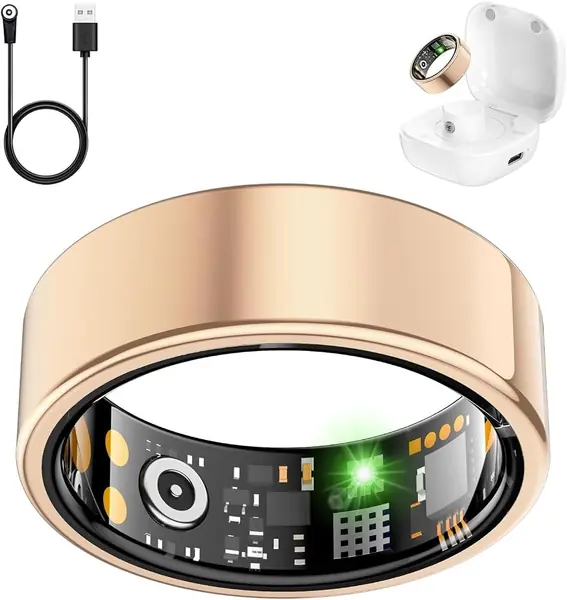
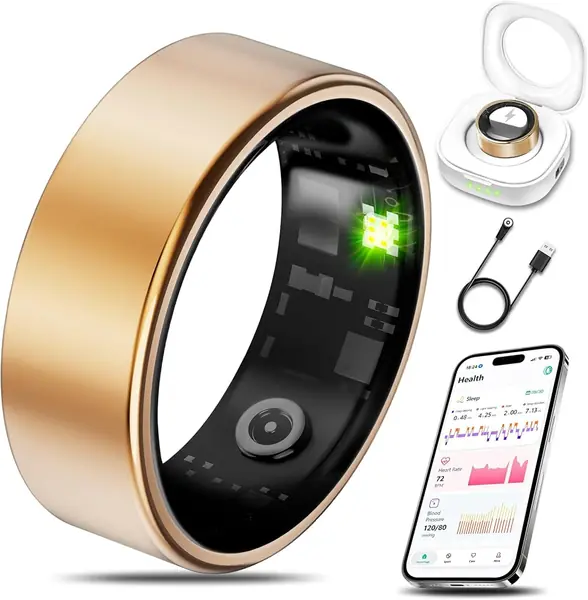
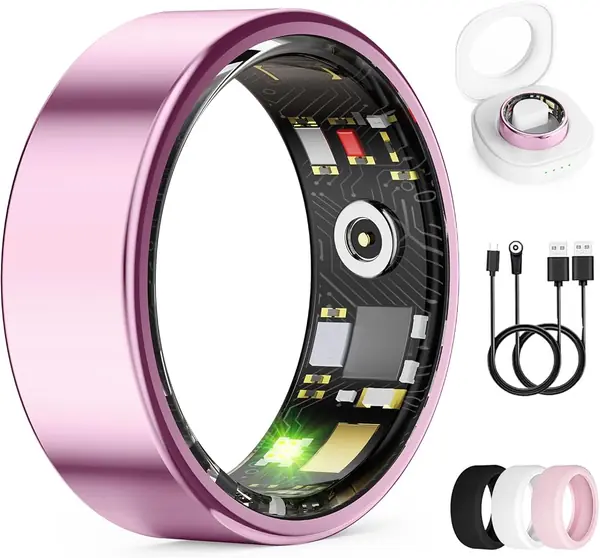
RingConn Gen 3 Best Overall
Key details
- Water Resistance
- 100 m
- Battery Life
- 14 days
- Subscription
- None
- Weight
- 0.11 oz
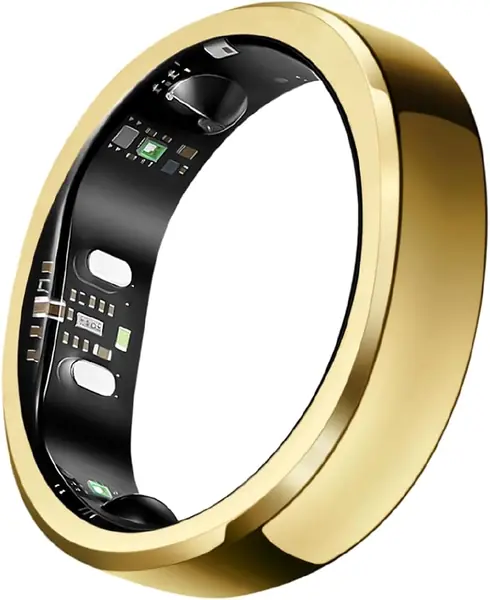
Fourteen days between charges is the first thing we noticed about the RingConn Gen 3, and it changes how the ring fits into daily life. There is no subscription to unlock sleep, heart rate, HRV, stress, or SpO2 data, so the ring you buy is the ring you use. At 3 grams and 0.31 inch thick, it is light enough to forget during sleep, and the titanium shell looks more like jewelry than a gadget.
We think this is the closest thing here to a no-compromise Oura alternative. The 14-day battery is the longest in this set, and the haptic vibration alerts are genuinely useful for nudging you to move or charge without opening the app. Vascular trends and HRV data give the app more to work with than a basic step-and-sleep ring. If you want the most complete health picture without a monthly fee, this is the one we point to first.
The one practical hurdle is sizing. RingConn's sizes differ from standard rings because of the inner sensor, and the sizing kit is not a formality. Use it, wear the sample overnight, and choose the fit that stays put without pinching. A ring that spins around your finger will produce weaker readings, so this step is part of the purchase rather than an optional extra.
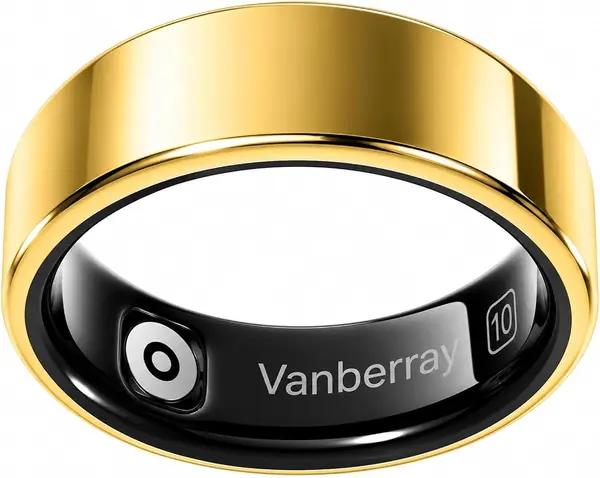
For iPhone and Android users who want a premium ring and can live with the higher upfront cost, the Gen 3 earns its place. If sleep accuracy is your only priority, the VANBERRAY is the less expensive experiment; if you want the longest battery and the broadest data set, stay here.
Pros
- Two-week battery between charges
- No subscription required for health data
- Haptic alerts and vascular trends
- Light titanium build
Cons
- Sleep tracking can misread quiet awake time
- Premium upfront cost
We recommend the RingConn Gen 3 to anyone who wants the most complete no-subscription health ring and can justify the premium upfront cost.