Best Midrange Headphones of 2026

The middle of the headphone market is where the decision gets hard. Pay a little more than the bargain bin and you can have rich sound, or active noise cancellation, or a battery that runs for days — rarely all three in one pair, and the spec sheet won't tell you which corner got cut. What you're really buying is a pair you forget you're wearing: quiet on your head, steady through a long travel day, and good enough that you stop thinking about the sound.

I've spent the past six months with 12 pairs, and the differences show up in small places — the headband that starts pressing around hour three, noise cancelling that hums instead of silences, multipoint pairing that drops the laptop when your phone rings. A few are wired studio models, so clamping force and cord length got as much of my attention as anything printed on the box.

The picks below are sorted by the week you actually have, so start with the one that sounds like yours.

The Best Midrange Headphones

1

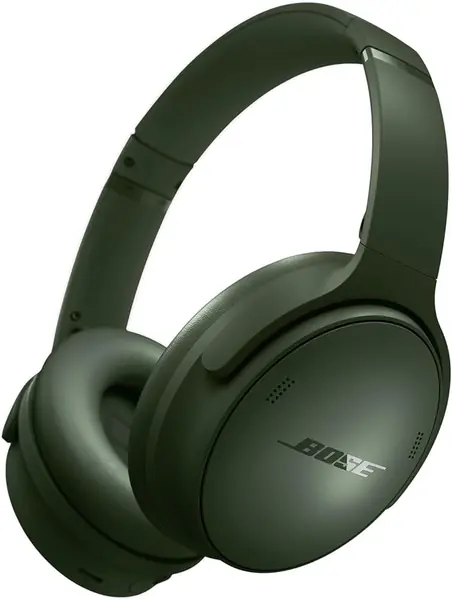
Bose QuietComfort Headphones Best Overall
94 /100
TKZ Score Outstanding

Key details

Weight
8.4 oz
Noise Control
Active noise cancellation
Battery Life
Up to 24 hours
Connectivity
Bluetooth 5.1
View on Amazon

The Bose QuietComfort is the pair we recommend first because it makes the fewest demands on the person wearing it. The noise cancellation is the strongest overall package in this group: it flattens engine drone and office hum, and Aware mode lets you hear a barista or a gate announcement without pulling the headphones off. That combination is what makes it a true everyday pair rather than a specialist.

Comfort is the other half of the argument. The earcups are plush enough to disappear for a long stretch, and the 238-gram weight is distributed well by the padded band; it is heavier than the Sony WH-CH720N, but it feels more substantial in a good way. We also appreciate the hard case and the 3.5-mm cable, which make it easy to pack and use on a plane seat-back screen.

Battery life is rated at up to 24 hours, and a short charge buys a couple of hours of playback, so topping up before a trip is painless. The app EQ is genuinely useful if you want more bass or a brighter vocal sound, and it is simple enough to set once and forget. These are not the longest-running headphones here—the JBL and CMF go much further—but 24 hours is enough for a week of commutes.

What keeps it from being perfect is wireless stability: the connection is the one part of the experience that can stutter or drop, and it is worth testing in your own setup during the return window. If you prize a rock-solid link above all else, the Sony WH-CH720N is the lighter alternative. For most buyers, though, the Bose's combination of quiet, comfort and controls is the easiest recommendation here.

Pros

  • Strong active noise cancellation and aware mode
  • Plush comfort for long listening
  • App EQ, hard case, and wired option

Cons

No notable drawbacks to flag.

Our verdict

We recommend the QuietComfort as the best all-round pick: top-tier noise cancellation, plush comfort, and useful app EQ make it the easiest pair to live with every day.
Check Latest Price
2

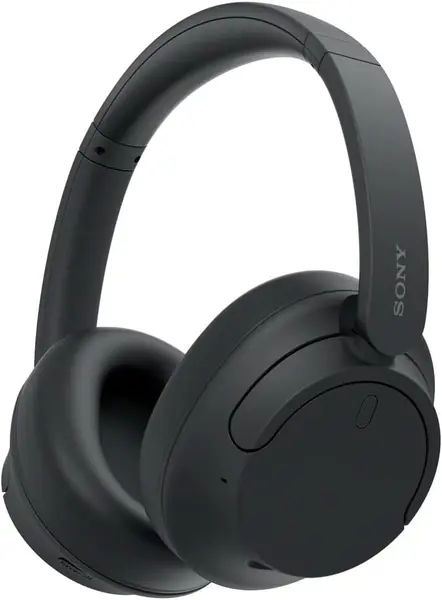
Sony WH-CH720N Best Lightweight for Travel

93 /100
TKZ Score Outstanding

Key details

Weight
6.77 oz
Noise Control
Active noise cancellation
Battery Life
Up to 35 hours
Connectivity
Bluetooth 5, multipoint
View on Amazon

At 192 grams, the Sony WH-CH720N is the pair we noticed least on our heads. That is the whole pitch: a light, low-clamp fit that stays comfortable through a workday, with earcups that do not press hard against the ears. It is not the most solid-feeling headphone here—the plastic build is the trade-off—but the weight is the reason we keep it in the travel bag.

The noise cancellation is best understood as a commuter tool rather than a silence switch. It takes down engine rumble, air conditioning and the general wash of a train, but nearby conversation still comes through. We prefer it for steady noise; if you need the deepest hush, the Bose is the step up. The upside is that the lighter clamp and ambient mode make it easy to wear for hours.

Battery life is rated at up to 35 hours, with a three-minute charge giving an hour of playback, and multipoint pairing lets you jump between a phone and a laptop. Those are the features that matter on a trip: you can leave the charger at home and take a call without repairing. The controls are simple enough, though the buttons are small and take a little hunting by feel.

Pros

  • Feathery 192-gram fit
  • 35-hour battery with fast charging
  • Multipoint pairing for two devices

Cons

  • No carry case included
Our verdict

We recommend the WH-CH720N for comfort-first buyers: at 192 grams it is the lightest pair here, with easy multipoint and long battery life for travel.

Check Latest Price
3

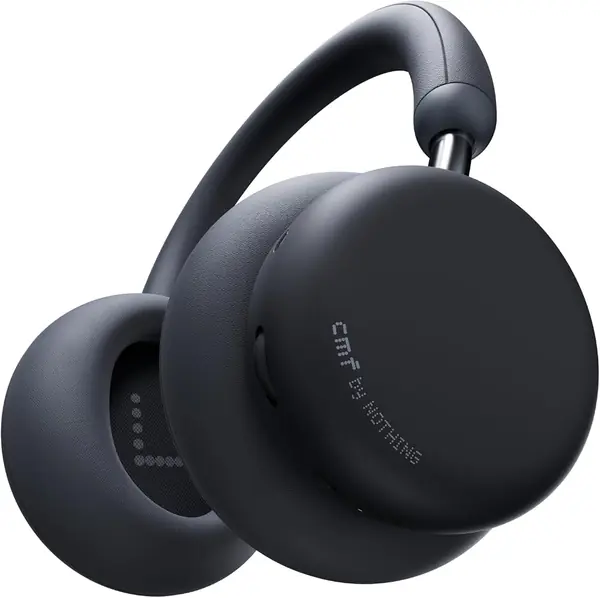
CMF Headphone Pro Best Budget Noise Cancelling

92 /100
TKZ Score Outstanding

Key details

Weight
9.98 oz
Noise Control
Adaptive ANC, up to 40 dB
Battery Life
Up to 50 hours with ANC
Connectivity
Bluetooth 5.4, LDAC
View on Amazon

Fifty hours with noise cancellation on is the kind of number that sounds like marketing until you stop charging a headphone every night. The CMF Headphone Pro backs it up with Bluetooth 5.4, LDAC and a 40-mm driver, and it does it at the budget end of this group. We did not expect this much feature density from the least expensive wireless pick, but the spec sheet is not the whole story.

The feature set is unusually deep for the price: Bluetooth 5.4, LDAC, a 40-mm driver, adaptive ANC rated to 40 dB, and a tactile bass and treble slider on the earcup. The slider is faster than opening an app when a podcast sounds thin or a track needs less boom, and the app adds custom EQ and spatial audio. The adaptive ANC is aimed at low-frequency rumble, the kind that fills a train or a plane cabin.

What impressed us most is how little the CMF gives up for its budget price. The memory-foam earpads are soft, the matte finish looks better than the price suggests, and the protective case is a useful extra. The ANC is not as complete as the Bose, but it is good for the money, and the battery life changes how you travel. This is the pair we point to when features and endurance matter more than absolute quiet.

Pros

  • Up to 50 hours with ANC on
  • LDAC and tactile bass/treble slider
  • Protective case at a budget price

Cons

  • 283-gram weight is noticeable
Our verdict

We recommend the CMF Headphone Pro for budget-minded buyers who want long ANC playtime, LDAC, and quick sound tweaks without paying flagship money.

Check Latest Price
4

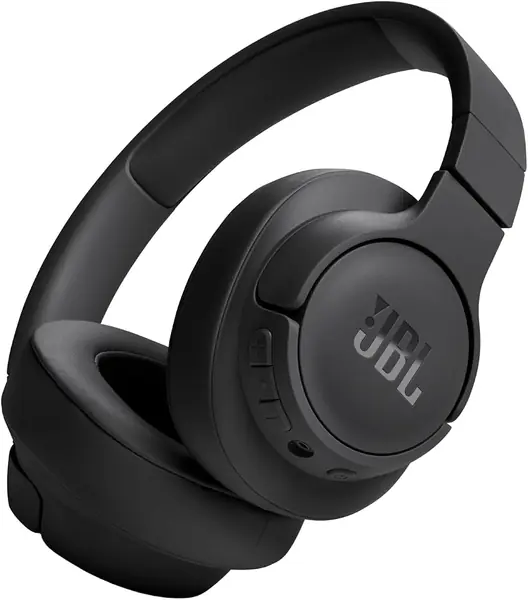
JBL Tune 720BT Best Battery Life

91 /100
TKZ Score Outstanding

Key details

Weight
7.76 oz
Noise Control
Sound isolation
Battery Life
Up to 76 hours
Connectivity
Bluetooth 5.3
View on Amazon

The JBL Tune 720BT is the pair we reach for when charging is the thing we want to forget. Its 76-hour battery rating is the longest here, and the foldable 220-gram frame makes it easy to toss in a bag. It is a music-first headphone, not a silence-first one: there is no active noise cancellation, just passive isolation from the earcups.

Sound is bass-forward in the JBL house style, with enough punch for gym playlists and a surprisingly clear vocal for the money. The app EQ is worth using: the default curve is fun but heavy, and pulling down the low end makes podcasts and acoustic tracks more balanced. Bluetooth 5.3 and multipoint have been stable in our use, and the buttons are easy to find by feel.

The fit is secure enough for workouts, and the foldable frame makes the 720BT easy to pack. The controls are simple, and the 3.5-mm jack is there when the battery finally runs out. If you want the longest possible interval between charges and a bassy, easygoing sound, this is the budget pick.

Pros

  • 76-hour battery life
  • Bass-forward sound with app EQ
  • Lightweight and foldable

Cons

  • Earcups run small for larger ears
Our verdict

We recommend the Tune 720BT for battery-first buyers who want a light, bassy everyday pair and rarely want to think about charging.

Check Latest Price
5

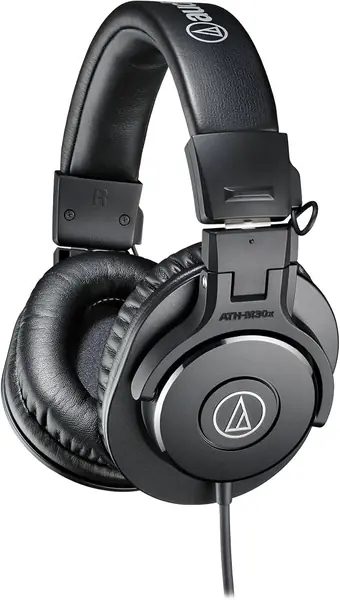
Audio-Technica ATH-M30x Best Wired for Everyday Listening

90 /100
TKZ Score Outstanding

Key details

Weight
7.76 oz
Noise Control
Passive sound isolation
Driver Size
40 millimeters
Impedance
38 ohm
View on Amazon

The ATH-M30x is the wired pair we recommend when the desk matters more than the commute. Its 40-mm drivers are tuned for midrange detail rather than a big bass shelf, so vocals, guitars and podcast voices come through cleanly. At 38 ohms it runs from a phone, laptop or controller without a separate amp, which is not true of every studio headphone.

The closed-back cups give it more passive isolation than the Philips SHP9500, enough to take the edge off an office or a train, though it is not active noise cancellation. The detachable cable is a real convenience: you can swap it out if it snags, and the included pouch and screw-on adapter make it easy to live with. We also like that the single-side cable exit keeps the cable out of the way.

Comfort is mostly good: the earpads are soft, the 220-gram weight is low, and the fit stays secure when you lean over a desk. If you want a looser, more open feel, the Philips is the more relaxed option. Otherwise, this is the wired pick that covers long work sessions without asking for an amp or a battery.

Pros

  • Detailed, mid-focused sound
  • Runs from a phone without an amp
  • Detachable cable and carry pouch

Cons

  • Firm clamp can bother glasses wearers
Our verdict

We recommend the ATH-M30x for desk and studio listening: clear midrange, low impedance, and a detachable cable make it an easy wired choice.

Check Latest Price
6

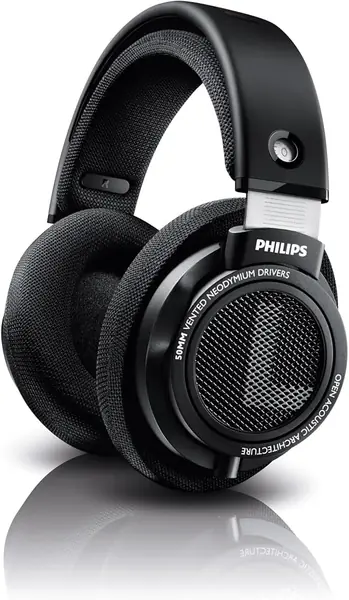
Philips SHP9500 Best Open-Back for Home

89 /100
TKZ Score Excellent

Key details

Weight
10.6 oz
Driver Size
50 millimeters
Design
Open-back
Frequency Range
12 - 35000 Hz
View on Amazon

The SHP9500 is the odd one out here: it is an open-back wired headphone with 50-mm drivers and a detachable cable. The open cups give it an airy, wide stage, and the breathable earcups stay cool through a long session. That design is a poor match for a noisy commute, but a good one for a quiet room.

There is no active noise cancellation, and the open design lets sound in and out. That makes it a poor fit for a shared office, a plane, or anywhere you need to disappear into your own head. It is a home headphone first, and the detachable cable makes it easy to move between a desk and an amp without dragging a long cord around.

What we like most is how much headphone you get for a quiet desk. The 50-mm drivers deliver a wide, detailed sound, the double-layer headband spreads weight well, and the breathable pads make long sessions easy. For home listening, it is one of the most comfortable and open-sounding picks here.

Pros

  • Wide, open soundstage
  • Breathable, lightweight fit
  • Detachable cable

Cons

  • Light clamp can let the headphones shift
Our verdict

We recommend the SHP9500 for quiet-room listeners who want an open, airy soundstage and a breathable fit for long sessions.

Check Latest Price
7

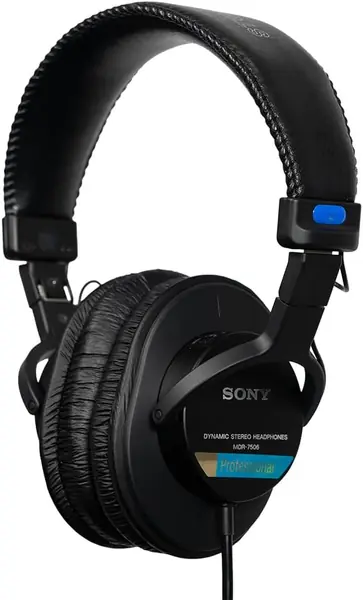
Sony MDR7506 Best for Studio Monitoring

88 /100
TKZ Score Excellent

Key details

Weight
8 oz
Driver Size
40 millimeters
Impedance
63 ohm
Cable
9.8 foot, non-detachable
View on Amazon

The Sony MDR7506 has been around so long that it has become a studio shorthand: closed-back, 40-mm drivers, a folding frame and a 9.8-foot cable. It is a wired tool rather than a wireless accessory, with no battery, no app and no noise cancellation.

The sound is detailed and lean, with a flat-ish response that makes it easy to hear edits, room noise and the difference between a good and a bad recording. Bass is present but not boosted; if you want a fun, bass-heavy listen, the JBL is the better fit. For monitoring, podcasting or editing, the clarity is the point.

The cable is the divisive part. At 9.8 feet it gives you room to move at a desk, and it is not detachable, so a snag is a repair rather than a swap. The folding design and soft case make it easier to store, but this is still a headphone that lives near a desk or a mixing station.

What we keep coming back to is the combination of detail, light weight and a secure fit for the money. The pads are soft enough for a long session, and the folding frame makes it easy to store. It is not the most feature-rich headphone here, but it is the one we trust for critical listening.

Pros

  • Detailed, studio-flat sound
  • Long cable and folding design
  • Light 8-ounce build

Cons

  • Tight clamp on larger heads
Our verdict

We recommend the MDR7506 for studio and desk work: its detailed, lean sound and long cable suit critical listening, and the folding frame makes storage easy.

Check Latest Price

How We Tested the Best Midrange Headphones

We started by pulling every over-ear model in the midrange bracket that shoppers actually cross-shop: wireless pairs with noise cancellation, quick charging, and multipoint pairing, alongside the wired studio headphones that sit in the same price range. Spec sheets — driver size, battery claims, whether the earcups fold — narrowed the field, a brand's track record on the parts that break narrowed it further, and price only counted once we'd lived with a pair long enough to judge whether it was earned. Twelve pairs made the cut.

Those 12 have been in rotation for six months, in the places headphones actually live: a noisy open-plan office, a daily bus commute, two cross-country flights, video calls from the kitchen, and a desk where the wired models went straight into an audio interface. The same dozen tracks — bass-heavy hip-hop, acoustic folk, a talk podcast — played back to back on each pair, so harsh treble or flabby low end stood out by contrast rather than in isolation.

We wore each pair through a full workday and noted the hour the headband or pads first announced themselves, glasses on and off, plus how hard each one clamped before we needed a break. Battery life was measured, not trusted: a full run to empty with noise cancelling on at a fixed volume, hours logged as we went. We walked two rooms from the phone to find where the signal broke and paired each wireless set to a laptop and phone at once to watch it hand off mid-call. Every pair rode loose in a tote without its case for a week, which is where hinges, pad seams, and creaky plastic gave themselves away; the wired ones got a tape measure, a few tugs on the jack, and a coil test to see which cable remembered its shape.

How to Choose Midrange Headphones

Decide Between Wired and Wireless

For a commute, a wireless pair is the practical choice: no cable to snag, controls on the earcup, and enough battery for a week of short trips. The trade-off is charging and, on some models, a less stable connection than a cable. A wired pair still makes sense at a desk, in a studio, or anywhere you want zero latency and no battery anxiety. The Audio-Technica ATH-M30x and Sony MDR7506 are the two wired picks here, and both run from a laptop without extra gear.

Match Noise Cancellation to the Noise

Active noise cancellation is most useful against steady, low-frequency sound: engine drone, air conditioning, train rumble. It is less effective against nearby voices and sudden clatter, which is why we treat it as a commuter tool rather than a silence button. If you mostly listen in a quiet room, an open-back design such as the Philips SHP9500 gives you a wider stage and more natural airflow, but it lets sound in and out. The Bose QuietComfort has the most complete ANC package in this group; the CMF Headphone Pro is the budget alternative.

Treat Comfort as a Fit Decision

Weight gets the headlines, but clamping force and earcup depth decide whether you can wear a pair for three hours. The Sony WH-CH720N is the lightest wireless pick here at 192 grams, while the CMF Headphone Pro is the heaviest at 283 grams; both can be comfortable, but they feel different. A snug studio headphone stays put at a desk and may bother glasses wearers; a loose open-back feels airy but can shift when you move. Buy from a seller with a return window and wear them for an hour before you commit.

Pay for the Features You Will Use

Battery life is the most obvious upgrade: the Bose runs up to 24 hours, the Sony up to 35, the CMF up to 50 with ANC, and the JBL up to 76 without ANC. Longer is better only if you dislike charging; all of these are enough for a normal week. Codecs and apps matter less. LDAC on the CMF is useful with a compatible Android phone, but not with an iPhone. App EQ is worth having if you like to tweak bass, and multipoint is genuinely handy if you move between a phone and a laptop.

Frequently Asked Questions

Final Verdict

Buy the Bose QuietComfort if you want the most complete everyday pair: its noise cancellation, comfort, and app EQ cover commute, office, and flight without fuss. Choose the Sony WH-CH720N when weight is the priority and you can trade some hush for all-day comfort. For a desk or studio, the Audio-Technica ATH-M30x is the wired answer. Those three decisions cover most buyers; the rest of the list is about fit, battery, and whether you want an open-back sound.