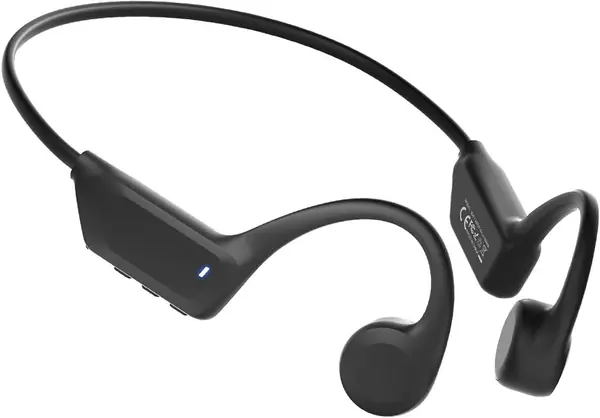
Best Headphones for Hiking of 2026

Hiking is one of the few activities where hearing counts as safety gear: the whir of a mountain bike closing in behind you, a friend shouting about the fork in the trail, wind picking up before the weather turns. Sealed earbuds shut all of that out. Open-ear headphones rest outside or just against the ear canal, so the trail stays audible while a podcast keeps you company on the climb.

I've walked plenty of miles in both, and the design split matters more than any spec sheet: bone conduction leaves the ear completely uncovered, while air conduction aims a small speaker at the canal and gives you more low end. Our team spent six months with 14 pairs — rocky ridgelines, shaded forest climbs, dusty descents — to find the ones that stayed put.

What's below is for hikers who want music without going deaf to the trail; if you want to disappear into a mix on a noisy train, that's a different search. Under a hat, over sunglasses, and through a sweaty afternoon, these are the ones that held up.

The Best Headphones for Hiking

1

Soundcore V20i Best Overall
90 /100
TKZ Score Outstanding

Key details

Fit Style
Adjustable ear hooks
Battery Life
8 hrs, 36 with case
Water Resistance
IP55
Weight
2.69 oz
View on Amazon

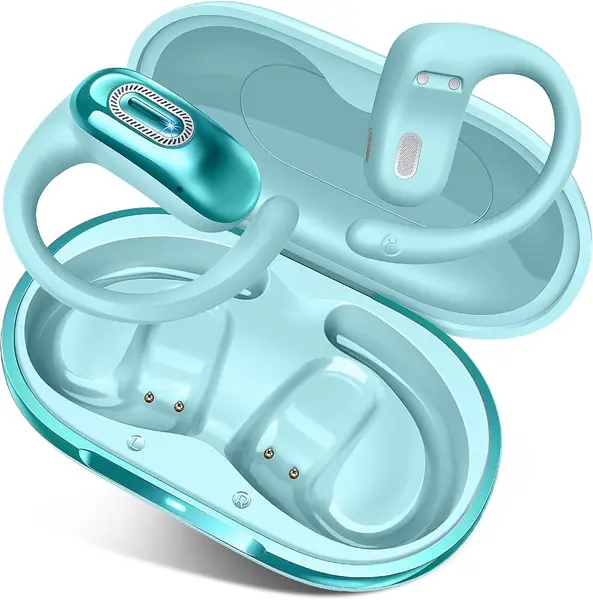
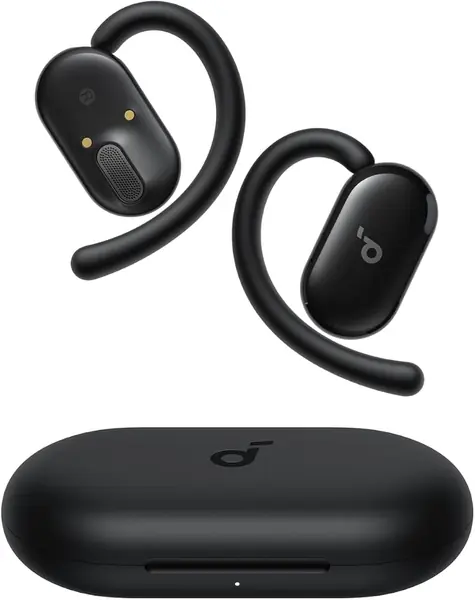
Four hook positions is the detail that makes the Soundcore V20i our default for hiking. The open-ear earbuds rotate around the ear so you can move the sound outlet away from a cap, sunglasses, or a pressure point, and the IP55 rating covers sweat and light rain. We also appreciate the 8-hour bud battery and 36-hour case, because a day hike rarely ends at the trailhead.

What earns it the top spot is how much trail awareness it delivers for the money. The open design lets you hear a mountain bike freehub or a conversation behind you, while the 16mm drivers keep podcasts and music from sounding tinny. The touch controls are the weak spot: they work, but they are fussier with gloves than a physical button. We also had to fiddle with the hooks to avoid pressure behind the ear, which is the trade-off for that adjustable fit.

For most hikers, that is a fair trade. The V20i gives you the essentials, open ears, a secure hook, weather protection, and enough battery for a full day, without asking you to treat the headphones like delicate gear. We kept coming back to them because they disappear into the hike rather than becoming the thing you fuss with at every overlook.

Pros

  • Four hook positions secure the fit
  • IP55 protection for sweat and rain
  • Open-ear awareness without a premium tag

Cons

  • Some units develop one-earbud dropouts
Our verdict

The V20i is our top pick for most hikers: four hook positions, IP55 protection, and open-ear awareness make it the easiest all-around choice.
Check Latest Price
2

SHOKZ OpenFit 2 Best for All-Day Comfort

89 /100
TKZ Score Excellent

Key details

Fit Style
Open-ear ear hooks
Battery Life
11 hrs, 48 with case
Water Resistance
IP55
Weight
9.4 g earhooks
View on Amazon

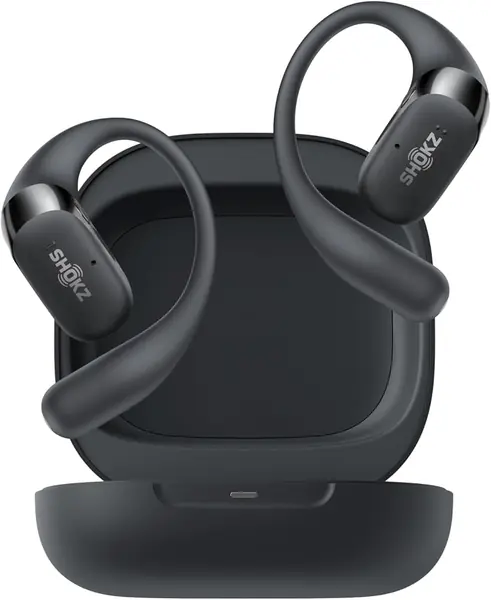
Comfort is the reason to pay for the SHOKZ OpenFit 2. The 9.4-gram earhooks use a flexible Ni-Ti alloy that contours around the ear instead of pressing into it, and the open-ear design keeps traffic and trail chatter audible. We were struck by how little the earbuds intruded during long wear, and the physical buttons are a genuine advantage when you are wearing gloves or have wet hands.

The rest of the package supports that comfort: 11 hours in the buds, 48 hours with the case, IP55 protection, and multipoint pairing for a phone and watch. The fit is not universal, though. The same hook that feels light on one ear can sit loose on a smaller ear, and the case adds bulk to a pack. We also treat the open design as a fair-weather tool for audio, since wind and traffic can mask quieter passages.

For hikers who wear headphones from the first climb to the last descent, the OpenFit 2 earns its premium. It is the pair we choose when comfort matters more than saving space or money, and the long case battery means you can leave the charger at home for a weekend.

Pros

  • Featherlight 9.4-gram earhooks
  • 11-hour buds, 48-hour case
  • Physical buttons work with gloves

Cons

  • Fit can feel loose on smaller ears
  • Open design lets wind compete with audio
Our verdict

We choose the OpenFit 2 when comfort matters most, thanks to featherlight earhooks, 11-hour buds, and a case that lasts a weekend.

Check Latest Price
3

Raycon Bone Conduction Best Weather Protection

88 /100
TKZ Score Excellent

Key details

Fit Style
Adjustable bone conduction
Water Resistance
IP68
Weight
5.6 oz
Charge Time
2 hours
View on Amazon

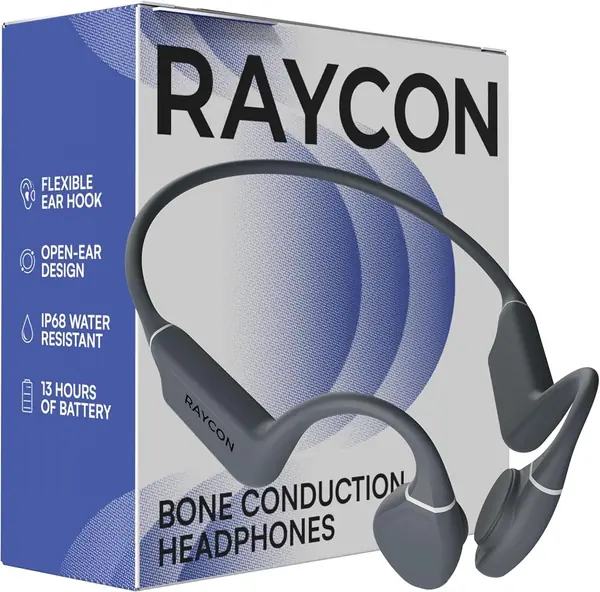
IP68 is the number that sets the Raycon Bone Conduction apart. That rating covers rain, sweat, and splashes, which matters more on a hiking headphone than a few extra decibels of bass. The bone-conduction design leaves your ears open, and the earbuds slide closer for louder sound or back for more awareness, a useful control when the trail gets busy.

The trade-off is weight. At 5.6 ounces, the Raycon is heavier than the clip-on and hook designs here, and the fixed headband does not adjust around the head. That weight is noticeable on a long climb, but the payoff is a secure shell that does not rely on a delicate clip.

What keeps it in the roundup is weather confidence. When the forecast is uncertain or the trail is muddy, the IP68 shell and bone-conduction awareness make the Raycon the pair we trust to keep working. It is not the lightest or most comfortable choice, but it is the one that handles the worst conditions here.

Pros

  • IP68 rain and sweat protection
  • Adjustable bone-conduction buds
  • Open-ear awareness in bad weather

Cons

  • Fit can feel loose on smaller heads
  • Specialty magnetic cable is easy to lose
Our verdict

For wet, muddy trails, the Raycon's IP68 shell and adjustable bone-conduction buds make it the pair we trust in bad weather.

Check Latest Price
4

TOZO OpenReal Best Long-Day Battery

87 /100
TKZ Score Excellent

Key details

Fit Style
Open-ear headband
Battery Life
16 hours
Driver Size
16.2 mm
Bluetooth
5.3
View on Amazon

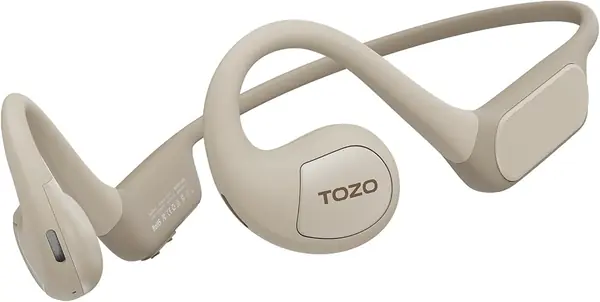
Sixteen hours on a single charge is the headliner for the TOZO OpenReal. That is double or more what most buds here manage before they need the case, and it changes how you pack for a long day: you can leave the charger at home and still have music through the afternoon. The air-conduction design sits outside the ear canal, and the 16.2mm drivers give it a fuller sound than the bone-conduction picks.

The wraparound headband is the other reason we like it. It sits behind the head rather than clipping to the ear, so it feels steadier when you pull a hood up or take off a pack. The band can clash with a wide-brim hat or a bike helmet, though, so it is not the pair for every layering system.

Battery is the reason to choose it: 16 hours means you can leave the case at home, and the secure band makes it a better fit for long days than a clip-on. We keep it for mild, dry hikes where runtime is the main concern, and we accept that it is not the most rugged electronics here.

Pros

  • 16 hours on a single charge
  • Secure wraparound headband
  • Fuller air-conduction sound

Cons

  • No IP rating for rain or heavy sweat
  • Some units stop working after months
Our verdict

We like the OpenReal for long, dry hikes: 16 hours on a single charge and a secure headband let you leave the case at home.

Check Latest Price
5

MJOFFIN x19s Best Lightweight Bone Conduction

86 /100
TKZ Score Excellent

Key details

Fit Style
Bone conduction hooks
Battery Life
10 hours
Water Resistance
IP55
Weight
0.78 oz
View on Amazon

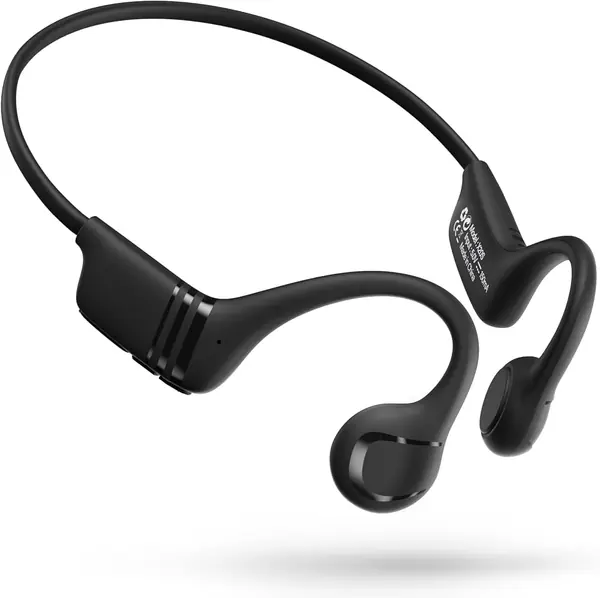
At 22 grams, the MJOFFIN x19s is the lightest pair in this group. The titanium frame flexes around the back of the head, and the bone-conduction drivers leave both ears completely open. On a long climb, that low weight is the difference between noticing the band and forgetting it, and IP55 protection covers the sweat that comes with the effort.

The controls are physical buttons rather than a touch panel, which we prefer with gloves or wet fingers. The sound is the usual bone-conduction compromise: clear enough for podcasts and directions, but thin on bass compared with the air-conduction models here. The 10-hour battery is enough for a day hike, though multi-day trips will need a charger.

We recommend the x19s for hikers who want the lightest possible open-ear setup and do not need rich sound. The fit is the leap of faith: bone-conduction hooks either sit right on your cheekbones or they do not, and there is no adjustable hook to tune it. If that risk bothers you, the Soundcore's four-position hooks are the safer buy.

Pros

  • 22-gram titanium frame
  • IP55 sweat and rain protection
  • Glove-friendly physical buttons

Cons

  • No charging case in the box
Our verdict

The x19s is our lightweight bone-conduction pick for hikers who want open ears and 22 grams of comfort, not rich bass.

Check Latest Price
6

Qecnato Q77 Best Budget Waterproof

85 /100
TKZ Score Excellent

Key details

Fit Style
Over-ear hooks
Battery Life
8 hrs, 50 with case
Water Resistance
IPX7
Driver Size
14.2 mm
View on Amazon

IPX7 and a 50-hour case put the Qecnato Q77 in rare territory for a budget pair. The buds themselves run for about 8 hours, and the case adds enough charge for a long weekend, so you can pack it without a wall adapter. For a hike, the IPX7 rating is the feature that matters: it covers sweat, rain, and an accidental dunk in a stream.

The over-ear hooks are secure when they sit right, but smaller ears may not get a locked-in feel. We also found the touch controls less reliable with wet fingers, which is a nuisance when you want to skip a podcast segment without stopping. The 14.2mm drivers give it a lively sound for the size, though the open design still lets wind and trail noise in.

This is the pair for hikers who want weather protection without spending much and who accept that the fit may take a try. It is not the most refined open-ear option here, but the water rating and case battery make it an easy backup or a first pair for mild, wet trails.

Pros

  • IPX7 water resistance
  • 8 hours, 50 with case
  • Lively 14.2mm drivers

Cons

  • Some units fail after a few months
Our verdict

The Q77 is our budget waterproof pick: IPX7 protection and a 50-hour case cover wet trails without a premium tag.

Check Latest Price
7

TOZO OpenEarRing Best for Casual Trail Walks

84 /100
TKZ Score Excellent

Key details

Fit Style
Clip-on open ear
Battery Life
10 hrs, 40 with case
Driver Size
10 mm
Bluetooth
5.4
View on Amazon

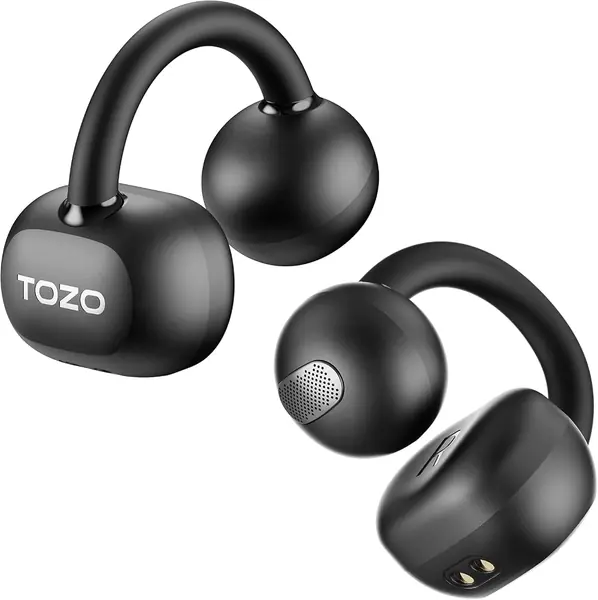
Clip-on earbuds solve a specific problem: they leave the ear canal completely open without a band behind your head. The TOZO OpenEarRing clips onto the outer ear, so there is no hook pressing behind the ear and no tip pushing into the canal. For hikers who hate the feeling of traditional earbuds, that is a different kind of comfortable.

The 10mm drivers and open design produce a surprisingly full sound for something so small, and the touch controls are simple once you learn them. The case adds another 30 hours, for 40 total, and the digital display takes the guesswork out of charging. We like the clip for walking and everyday wear because it stays out of the way of sunglasses and a cap.

The limits show up on rougher ground. A clip can loosen in dense brush or when you pull a pack over your head, so we keep it for established trails and everyday wear. That is a narrower brief than a hook or headband design, but it is the trade-off for the clip-on comfort.

For casual hikes and everyday wear, the clip-on comfort and long case battery are genuinely useful. It is the pair we hand to someone who wants open ears without a headband, with the understanding that it is not the most rugged option here.

Pros

  • Clip-on design avoids ear-canal pressure
  • 10 hours, 40 with case
  • Digital display shows case charge

Cons

  • No IP rating for steady rain
  • Some units develop charging issues
Our verdict

We recommend the OpenEarRing for casual trail walks and everyday wear, where clip-on comfort and a 40-hour case matter more than ruggedness.

Check Latest Price
8

Blrakx X27 Simple Trail Setup

83 /100
TKZ Score Excellent

Key details

Fit Style
Bone conduction
Battery Life
10 hours
Water Resistance
IPX5
Weight
1.02 oz
View on Amazon

The Blrakx X27 is the plainest bone-conduction pair here, and that is part of its appeal. It has a 29-gram titanium frame, a simple button layout, and a 10-hour battery. The routine is straightforward: charge it, put it on, and head out.

IPX5 protection covers sweat and light rain, which is enough for most three-season hikes, though not for a soaking. The bone-conduction sound keeps your ears open and your hands free, and podcasts and audiobooks come through clearly. We also noticed the frame is flexible enough to sit comfortably under a cap, which is not true of every headband design.

The X27 is a no-frills pick: you get the core open-ear experience without the extras. That makes it a good second pair or a simple commuter set that doubles as a trail headphone. It is not the one we choose for a long, wet hike, but it covers the basics without fuss.

For a hiker who wants bone conduction and does not care about app extras, the X27 is easy to live with. The 10-hour battery gets you through a day, and the button controls are easier to use with gloves than a touch panel. It stops short of the top tier because the sound and weather protection are both basic, not because it does anything wrong.

Pros

  • 29-gram titanium frame
  • IPX5 sweat and light-rain protection
  • 10-hour battery with button controls

Cons

  • Thin bass for music
Our verdict

We like the X27 as a simple, light bone-conduction option for hikers who want open ears and button controls without extra features.

Check Latest Price

How We Chose and Tested the Best Headphones for Hiking

We started with a shortlist of more than 40 open-ear models pulled from retailer listings and hiking forums, then filtered by design type, water-resistance rating, claimed playtime, weight, and price. That left 14 pairs, which became our only headphones for six months of hiking: weekday morning loops, weekend climbs with a loaded pack, and a few wet, cold days where nothing ever dried out.

Fit came first, because nothing else matters if they slide off on a descent. We shook our heads hard, pulled hoods up and down, wore them under beanies and sunglasses, and noted which pairs needed re-seating after an hour and which ones we forgot we had on. Comfort got the same treatment on hikes longer than four hours, with attention to pressure behind the ear and temple arms pinching under a hat.

For sound, we cued a bike bell about 20 feet behind us at a comfortable volume to check it was still audible, then turned the music up on a windy ridge to see how much bass survived. We logged real playtime against the claims, walked with the phone in a hip-belt pocket to catch dropouts on switchbacks, and switched between a phone and a laptop to test multipoint pairing. Since none of these cancel noise by design, we rated them on the opposite: how much of the trail came through, and how badly wind wrecked call quality.

Every pair got sweaty, sunscreened, and rained on, then wiped down and checked for corrosion on the charging contacts. Finally, value: we weighed what each set asked for in dollars against what it gave back in battery, build, and fit, and noted where a cheaper pair matched an expensive one on the things that actually matter on a trail.

How to Choose Headphones for Hiking

Start With Open-Ear Awareness

For hiking, an open-ear design is the safest default. Air-conduction models like the Soundcore V20i and TOZO OpenReal sit outside the ear canal, while bone-conduction pairs like the SHOKZ OpenFit 2 and MJOFFIN x19s vibrate through the cheekbones. Both let traffic, trail chatter, and wildlife reach you. The trade-off is bass and isolation: wind and running water will compete with your podcast. If you need to shut out the world, this is the wrong category; if you need to stay aware, choose open-ear and keep the volume low enough to hear a bike freehub.

Fit Is the Spec That Decides the Hike

Hooks, clips, and headbands all stay put differently. Adjustable ear hooks, like the four-position design on theV20i, are the most forgiving around caps and sunglasses. A wraparound headband such as the OpenReal feels secure under a hood but can clash with a wide-brim hat. Clip-on buds avoid pressure inside the ear but can loosen in brush. Try the fit with the hat and glasses you actually hike in, and shake your head gently before you leave the trailhead.

Match Water Resistance to Your Weather

An IPX5 or IP55 rating handles sweat and light rain; IPX7 survives a brief dunk, and IP68 is the strongest here. If you hike in steady rain or cross streams, the Raycon's IP68 shell and the Qecnato's IPX7 rating are the useful extremes. A pair with no published IP rating, like the TOZO OpenEarRing, is a fair-weather choice. Do not assume sweat resistance from an open design alone; check the rating and dry the charging contacts before you plug in.

Read Battery Life in Two Numbers

Look at the buds' runtime first, then the case. Eight to eleven hours in the buds covers a day hike; the case matters for weekends. The TOZO OpenReal leads here with 16 hours on a single charge, while the Soundcore V20i and SHOKZ OpenFit 2 add 36 and 48 hours in the case. If you hike with a charging case, remember it adds weight and something else to pack. For a long day, single-charge runtime is the number that keeps you listening.

Choose Controls You Can Use With Gloves

Touch panels look clean but can misread wet or gloved fingers. Physical buttons, like those on the SHOKZ OpenFit 2 and Blrakx X27, are easier to find without looking. Magnetic charging cables, such as the Raycon's, are convenient but easy to lose, so pack a spare or keep it in the same pocket. If you hike in cold weather, test the controls before you leave; a pause button you cannot find is not a feature.

Frequently Asked Questions

Final Verdict

For most hikers, the Soundcore V20i is the pair to buy first: four hook positions, IP55 protection, and open-ear awareness cover the trail without a premium tab. If comfort over a full day matters more than value, the SHOKZ OpenFit 2 is the upgrade. If you hike in steady rain, the Raycon's IP68 protection is the deciding feature.