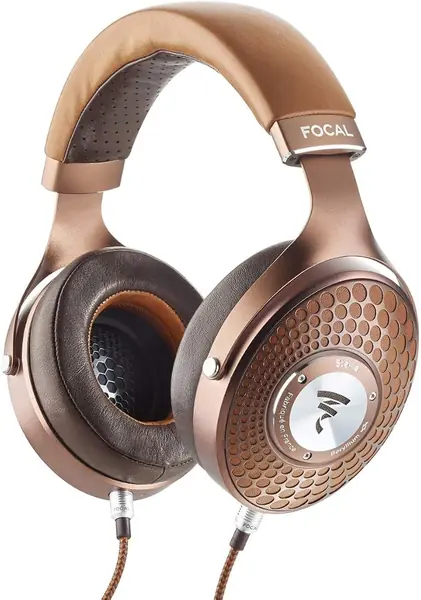
Best High-End Headphones of 2026

High-end headphones ask you to pick a side before you've heard a note. One camp shuts an airplane cabin down to a whisper and runs 30 hours on a charge; the other is wired, often open-backed, and detailed enough to mix on. I've commuted with both in the same week, and they solve entirely different problems — so the real question isn't which pair is best, it's which pair you'll actually reach for.

Over the past nine months my team and I have lived with eight pairs, from noise-canceling flagships to wired reference models, and the specs you compare in a store rarely predict how a pair feels at hour four. Clamp force and earcup heat decide comfort long before weight does, and noise cancellation tuned for engine rumble can leave a chatty office untouched.

Expensive doesn't automatically mean reliable, either — I've watched hinges loosen and pads flatten well inside a year. What the money should buy is fewer compromises: codec support that matches your phone and laptop, Bluetooth that switches without drama, and a finish you don't mind wearing in public. The eight below land in very different places on that map.

The Best High-End Headphones

1

Sony WH-1000XM6 Best Overall
87 /100
TKZ Score Excellent

Key details

Weight
8.96 oz
Battery Life
Up to 30 hours
Noise Cancellation
Adaptive ANC with 12 mics
Bluetooth
5.3 with multipoint
View on Amazon

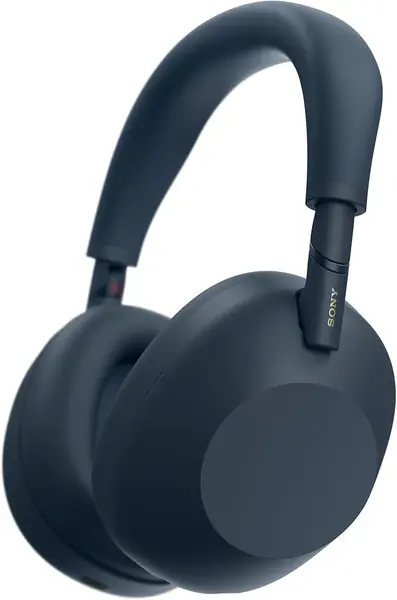
The WH-1000XM6 is the pair we reach for when the day has no single soundtrack: a noisy train, a shared office, a call at the desk, then an album at home. Sony's 12-microphone adaptive system and QN3 processor are built for that range, and the sound stays clear and punchy rather than collapsing into a bass blur. At 8.96 ounces, it is light enough that a long session does not turn into a neck workout.

We think it earns the top spot because it balances those strengths better than any other pair here. You get 30 hours of battery, Bluetooth 5.3 multipoint, and a foldable design, all without managing a separate DAC or treating the headphones like jewelry. It is a tool, not a luxury object, and that is exactly why it suits most buyers.

The case has a magnetic closure and folds flat, which makes it easier to pack than a hard-shell case. We also appreciate the 3.5mm cable in the box: it turns a wireless headphone into a wired one when the battery runs down. For a first premium pair, that low-friction ownership is worth as much as any single specification.

Pros

  • Strong adaptive noise cancellation
  • 30-hour battery and wired backup
  • Light 8.96-ounce fit

Cons

  • Snug clamp may bother large heads
  • Plastic ear-cup rings are a wear point
Our verdict

We recommend the WH-1000XM6 as the high-end pair for most people: it handles noise, calls, travel, and long listening with fewer compromises than anything else here.
Check Latest Price
2

Bowers & Wilkins Px7 S3 Best Sound-First Wireless

86 /100
TKZ Score Excellent

Key details

Weight
10.6 oz
Battery Life
Up to 30 hours
Drivers
40mm bio-cellulose
Bluetooth Codecs
aptX Lossless and Adaptive
View on Amazon

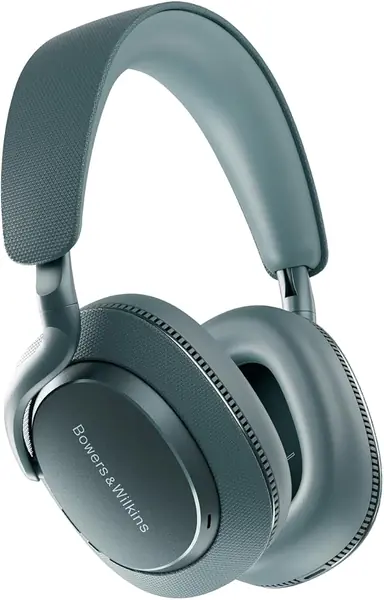
The Px7 S3 makes the strongest case in this group that premium wireless headphones should feel like something. Aluminum accents, synthetic leather, and a fabric finish give it a more considered look than the plastic-heavy Sony, and the 0.3-kilogram frame stays comfortable through a long afternoon. It is the pair we choose when the listening session is the point.

Sound is the reason to pick it over the Sony. Its 40mm bio-cellulose drivers and 24-bit DSP produce a clean, detailed presentation, and the five-band EQ in the Bowers & Wilkins app is useful for taming a bright recording or adding weight to a thin one. Bluetooth 5.3 with aptX Lossless is a real advantage for Android listeners with a compatible source; iPhone owners still get AAC, so the codec advantage does not apply to them.

The rest of the package is sensible: 30 hours of battery, a transparency mode, and a case that protects the finish. We treat this as a desk-and-train headphone rather than a long-haul travel tool, and that is the boundary of the recommendation. If you want the best-sounding wireless pair here for focused listening, this is the one.

Pros

  • Detailed, customizable sound
  • Premium aluminum and fabric build
  • Comfortable 0.3 kg frame

Cons

  • Active noise cancellation is mid-pack
Our verdict

We pick the Px7 S3 for buyers who put sound and materials first and treat noise cancellation as a convenience rather than the main event.

Check Latest Price
3

Apple AirPods Max 2 Best for Apple Devices

85 /100
TKZ Score Excellent

Key details

Weight
13.6 oz
Noise Cancellation
Up to 1.5x previous generation
Spatial Audio
Personalized with head tracking
Chip
Apple H2
View on Amazon

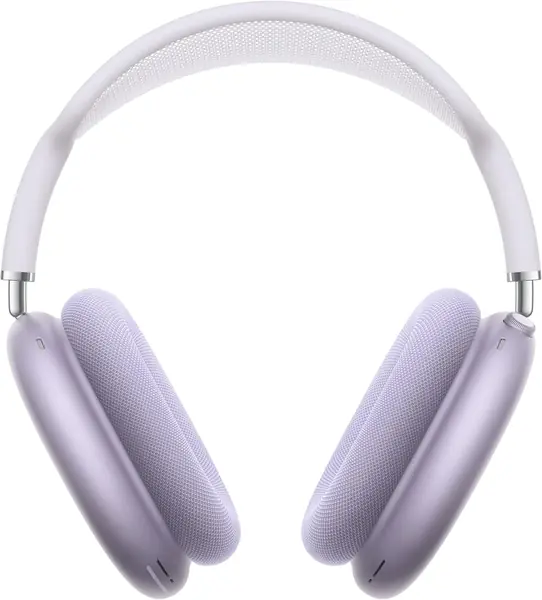
If your phone, tablet, and laptop all carry an Apple logo, the AirPods Max 2 remove most of the friction from premium listening. Pairing is instant across devices, the H2 chip handles Adaptive Audio, and spatial audio with head tracking is one of the most polished versions of the feature here. You put them on and the ecosystem gets out of the way.

The sound is clear, with a natural punch that keeps pop and acoustic music from sounding flat. Noise cancellation is a step up from the previous generation, and Conversation Awareness is genuinely useful when someone walks up to your desk. We also like that the controls are physical; there is no touch panel to misread when you adjust the headphones.

The fit is the bigger caveat. The headband does not adjust enough for every head, and it pressed on a larger head during our testing. If you wear thick glasses or have a wide head, buy from a retailer with an easy return policy. For a desk-based Apple user, the integration still wins; for a long flight, the Sony is the more forgiving pair.

Pros

  • Seamless Apple device switching
  • Strong ANC and clear sound
  • Personalized spatial audio

Cons

  • Heavy at 13.6 ounces
  • Some features assume Apple devices
Our verdict

We recommend the AirPods Max 2 to Apple households that want the simplest, most integrated premium pair, provided the weight and fit suit them.

Check Latest Price
4

Focal Bathys Best Audiophile Wireless

84 /100
TKZ Score Excellent

Key details

Weight
12.3 oz
Battery Life
Over 30 hours
Drivers
40mm aluminum-magnesium
Connectivity
Bluetooth 5.1, USB-C
View on Amazon

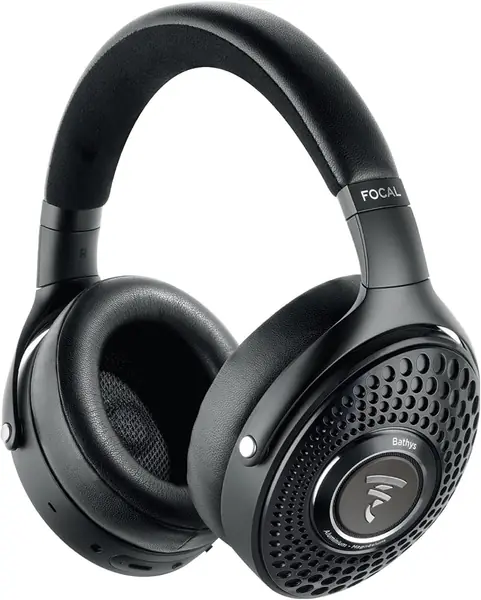
The Bathys is the pair that makes wireless sound more like a wired Focal. Its 40mm aluminum-magnesium drivers and Focal's tuning give it an open, detailed character that most wireless headphones here cannot match. The USB-C and 3.5mm inputs mean you can go wired when you want, but the point is that you do not have to.

We also like the physical design: real leather and microfiber, metal details, and a backlit logo that is either charming or too much depending on your taste. At 350 grams it is not a featherweight, but the ear pads are replaceable and the included case is good enough for travel. The 30-hour battery and 15-minute fast charge are genuinely useful.

This is a sound-first wireless pair rather than a travel-first noise canceller. The ANC and Bluetooth are the parts we trust least; the Sony remains the easier travel choice. If you want Focal's detail in a wireless headphone and mostly listen at a desk, the Bathys earns its place.

Pros

  • Detailed Focal driver sound
  • 30-hour battery and fast charge
  • Replaceable ear pads

Cons

  • ANC and Bluetooth trail travel rivals
  • Clamping may bother larger heads
Our verdict

We recommend the Bathys to listeners who want Focal detail in a wireless headphone and mostly listen at a desk, not to frequent flyers.

Check Latest Price
5

Sennheiser HDB 630 Best Battery Life

83 /100
TKZ Score Excellent

Key details

Battery Life
Up to 60 hours
Drivers
42mm dynamic
Bluetooth Codecs
aptX HD and Adaptive
Included Adapter
BTD 700 dongle
View on Amazon

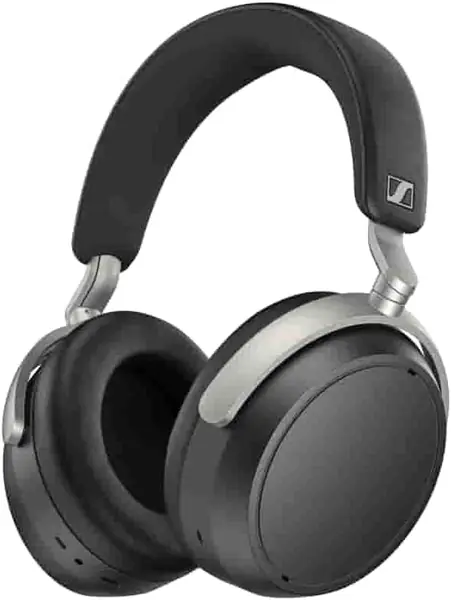
Sixty hours is the number that makes the HDB 630 impossible to ignore. Sennheiser rates it for 60 hours of playtime, with a 10-minute charge adding up to 7 hours, so it is the pair for a long trip or a work week without a charger. That alone makes it a better fit than most premium wireless headphones for people who hate battery anxiety.

The sound is tuned for neutrality rather than excitement, with a 42mm transducer and a parametric EQ that lets you shape the response precisely. We like that Sennheiser includes the BTD 700 dongle for aptX HD and aptX Adaptive; it makes high-resolution wireless less dependent on your phone's codec support. The adaptive ANC and transparency mode are useful, but they are not the reason to buy this one.

This is a specialist pair, aimed at long, focused listening rather than commuting. If you want one pair for everything, the Sony is easier; if battery life and neutral sound are the priorities, the HDB 630 is the more interesting choice.

Pros

  • 60-hour battery with fast top-off
  • Neutral audiophile tuning and parametric EQ
  • Included BTD 700 dongle

Cons

  • Wired use may need a dedicated source
Our verdict

We recommend the HDB 630 for long-session listeners who want neutral sound and unusually long battery life, not the most travel-ready noise canceller.

Check Latest Price
6

beyerdynamic DT 1990 Pro MKII Best Wired Open-Back

82 /100
TKZ Score Excellent

Key details

Weight
13.3 oz
Design
Open-back
Impedance
30 ohm
Driver
TESLA.45
View on Amazon

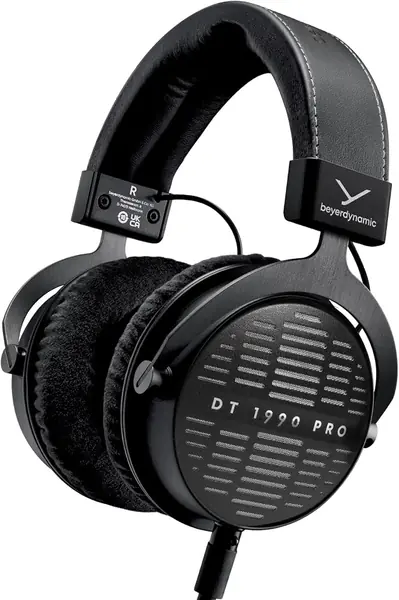
The DT 1990 Pro MKII is the wired pair in this group for people who mix, master, or just want to hear what is actually in the recording. The open-back design and TESLA.45 driver give it a wide, detailed presentation, and the 30-ohm impedance means it can run from a laptop or interface without a dedicated headphone amp.

We find the velour pads and lightweight headband comfortable for long sessions, and the detachable cable is a practical touch for a studio tool. The sound is reference-grade rather than warm and forgiving: it will expose a harsh recording instead of smoothing it over. That is exactly what you want for critical listening, and less pleasant for casual background music.

The case is large, and the open-back design is part of the sound rather than a lifestyle choice. This is a quiet-room pair, not something for a train or a shared office. There is no wireless mode and no noise cancellation; the DT 1990 Pro MKII is a tool for a specific job.

We trust it for that job. If you want the most direct route to the recording here and already have a decent source, it is the wired pick we recommend; if you need isolation or portability, choose a closed-back or ANC model instead.

Pros

  • Reference-grade detail and imaging
  • 30-ohm impedance runs without an amp
  • Comfortable velour pads

Cons

  • Open-back design leaks sound
Our verdict

We recommend the DT 1990 Pro MKII to wired listeners who want studio-grade detail and a comfortable open-back design, not a travel headphone.

Check Latest Price
7

Bose QuietComfort Ultra (2nd Gen) Best Spatial Audio

81 /100
TKZ Score Excellent

Key details

Battery Life
Up to 30 hours
Noise Cancellation
Quiet and Aware modes
Bluetooth
5.4
Spatial Audio
Bose Immersive Audio
View on Amazon

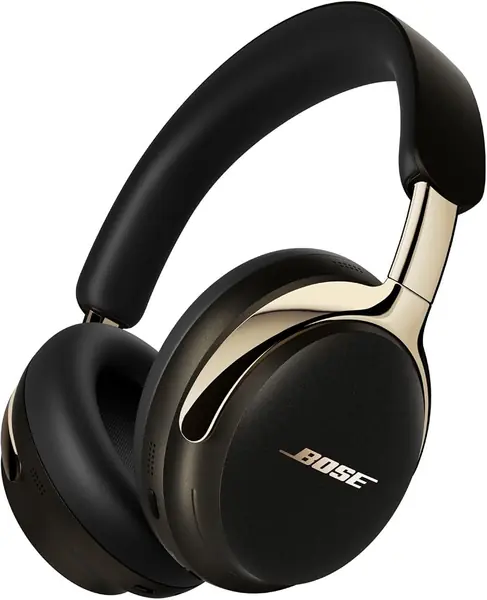
Bose's Immersive Audio is the feature that separates the QuietComfort Ultra from the rest of the travel headphones here. It spatializes music and movies so the sound seems to sit in front of you, and Cinema Mode makes a laptop film feel bigger without waking the neighbors. If you watch a lot of video on planes or at a desk, that is a more useful trick than another EQ preset.

The core is still noise cancellation: Quiet Mode and Aware Mode are easy to switch, and the 30-hour battery (23 with Immersive Audio) covers a long trip. The plush ear pads and 0.48-kilogram build are comfortable for long wear. We also like that the headphones use physical controls rather than a touch panel, especially when you are wearing a hood or a scarf.

The app and multipoint behavior are the weak spot, so test pairing with your phone and laptop during the return window. For movies, spatial audio, and long wear, the Bose is still one of the most comfortable ways to spend a flight.

Pros

  • Immersive spatial audio and Cinema Mode
  • Strong ANC and 30-hour battery
  • Plush comfort for long wear

Cons

  • Fit shifts during movement
Our verdict

We recommend the QuietComfort Ultra to movie lovers and long-haul travelers who want spatial audio and plush comfort, provided the fit stays put.

Check Latest Price
8

Focal Stellia Best for Quiet-Room Listening

80 /100
TKZ Score Excellent

Key details

Design
Closed-back circumaural
Impedance
35 ohm
Enclosure
Stainless steel
Frequency Response
Up to 40 kHz
View on Amazon

The Stellia is the most expensive pair in this roundup, and it looks it: Cognac leather, stainless-steel details, and a fitted carrying case. It is a closed-back wired headphone for someone who wants a luxury object as much as a listening tool, and it makes no apology for that.

The sound is the reason it belongs here. The closed-back design delivers the detail and dynamics Focal is known for, with a tonal balance that stays intact at high and low frequencies. It is also comfortable enough for long sessions, and the leather develops a patina over time. The 35-ohm impedance means it can run from a decent laptop or dongle, though a better source will show more of what it can do.

This is a home headphone, and we treat it that way: a quiet chair, a good source, and an hour with an album. The Bathys is the more flexible Focal if you need Bluetooth and noise cancellation; the Stellia is the one for the last listen of the night.

What convinces us is the combination of closed-back isolation and Focal's detail: you can listen late without waking the house, and the leather and steel make the ritual feel deliberate. It is a luxury, but a coherent one.

Pros

  • Rich, detailed closed-back sound
  • Luxury leather and steel build
  • Comfortable for long sessions

Cons

  • No ANC or wireless connectivity
Our verdict

We recommend the Stellia to listeners who want a luxury closed-back wired headphone for a quiet room, not a do-everything travel pair.

Check Latest Price

What Nine Months With Eight Pairs Taught Us

We started with the flagship lines that engineers and frequent flyers actually argue about, then filtered for price spread and for whether each pair did a job the others didn't — top-tier cancellation, spatial processing, a wired reference sound, or a portable closed-back design. Anything that duplicated another pick's role was cut before testing began.

Testing ran nine months across eight pairs, and every pair went to work with us. I wore each one through a full workday, a rush-hour train commute, at least one flight, and a few dog walks, then sat down with the models built for critical listening at my desk. To judge noise cancellation I stood on a subway platform while a train braked and in a coffee shop with a grinder running, noting which sounds vanished and which cut through. For sound, we all listened to the same dense mixes, acoustic recordings, and bass-heavy pop, writing down what each pair pushed forward and what it smoothed over.

Battery life got tracked rather than trusted: I charged each pair to full on a Monday and logged when the low warning appeared, with cancellation and volume matched. Comfort was judged at hour three or four, with notes on clamp pressure, earcup heat, whether the pads sat around my ears or on them, and whether my glasses got pressed into my temples. We paired every pair to a phone, a laptop, and an Android device, walked away until the signal broke, and timed how quickly they reconnected.

Build quality and appearance got checked by real handling — everything was folded, tossed in a tote without its case, and photographed at the start and finish to catch scuffs, hinge play, and pads starting to flatten. Reliability notes came from those months rather than a drop test, and value was the last question we asked: what you give up for the money, and whether it stings.

How to Choose High-End Headphones

Wireless Convenience or Wired Fidelity

If you listen from a phone and move between rooms, a wireless pair with strong noise cancellation is the practical choice. If most of your listening happens at a desk, a wired or USB-audio model puts more of the budget into the drivers and less into radios. The Focal Bathys is the useful middle path: wireless when you want it, wired when you plug into a laptop. Bluetooth codecs matter mostly on Android; iPhone listeners are usually working with AAC either way.

Match Noise Cancellation to Your Day

Premium headphones can sound wonderful and still be wrong for a commute. Noise cancellation is its own engineering problem, and the strongest travel systems here come from Sony and Bose; sound-first wireless models such as the Bowers & Wilkins Px7 S3 are tuned more for a cafe than a jet engine. Open-back wired headphones offer no isolation at all. If you fly often or work in a loud office, make ANC a top-three requirement; if you listen in a quiet room, spend the money on the transducer instead.

Fit and Comfort Beat a Spec Sheet

The pair you keep wearing is the pair that fits. Weight matters, but distribution matters more: the Sony is 8.96 ounces, the Apple AirPods Max 2 is 13.6 ounces, and the Bowers & Wilkins Px7 S3 is 0.3 kilograms, yet clamping force and ear-cup depth can change the experience more than the number. If you wear glasses, have a wide head, or listen for hours, buy from a retailer with a return window and test the clamp before the window closes.

Drivers, Impedance, and Open-Back Trade-offs

Driver size is not a quality score, but design and impedance tell you how easy a pair is to live with. A 30-ohm open-back like the beyerdynamic DT 1990 Pro MKII can run from a laptop, while higher-impedance designs may want a dedicated source. Open-back headphones sound wide and natural, but they leak sound in both directions; closed-back models such as the Focal Stellia keep more of the music to yourself. Match the design to the room, not to the marketing.

Materials and Wear Parts

Premium materials are a pleasure, but they are not the same as durability. Leather and metal feel better than plastic, yet headbands, hinges, and ear pads are what wear first, and a replaceable pad is worth more than a logo. The Focal Bathys has replaceable ear pads; the Sony's plastic ear-cup rings are the part we watch; the Bowers & Wilkins finishes are lovely but need care. Check the warranty and the cost of replacement pads before you commit.

Frequently Asked Questions

Final Verdict

For most buyers, the Sony WH-1000XM6 is the high-end headphone to get: it has the strongest combination of noise cancellation, battery, comfort, and wired backup in this group, and it does not ask you to adapt your habits. If sound and materials matter more than cancellation, the Bowers & Wilkins Px7 S3 is the better desk companion; if you want Focal detail in a wireless pair, choose the Bathys. The Stellia is the luxury exception for a quiet room, not the default.