Best Health Trackers of 2026

Every wrist tracker gets a few things wrong. Optical heart rate drifts when the band slides, sleep staging guesses at the edges, and step counts pick up a sink full of dishes. So the best health tracker isn't the one with the most sensors — it's the one still on your wrist in month three, when the novelty's gone and the data has to be good enough to act on.

Over eight months, my team and I wore 12 trackers through interval runs, strength sessions, overnight sleep, showers, and one long, humid hike: big AMOLED watches and screenless straps that don't even tell time. Comfort separated the keepers fastest — an itchy band comes off at 2 a.m. and never goes back on — followed by battery life, because a tracker that dies mid-trip is just a bracelet.

Then there's the subscription question, which few listings spell out: some of these are yours outright after checkout, and at least one makes you pay for a year before the sensors earn their keep. Both kinds are below, and the right one depends on how you'll actually use it.

The Best Health Trackers

1

Garmin vívoactive 5 Best Overall
90 /100
TKZ Score Outstanding

Key details

Battery Life
Up to 11 days
Display
1.2-inch AMOLED
GPS
Built-in GPS
Health Metrics
Body Battery, sleep coach, HRV status
View on Amazon

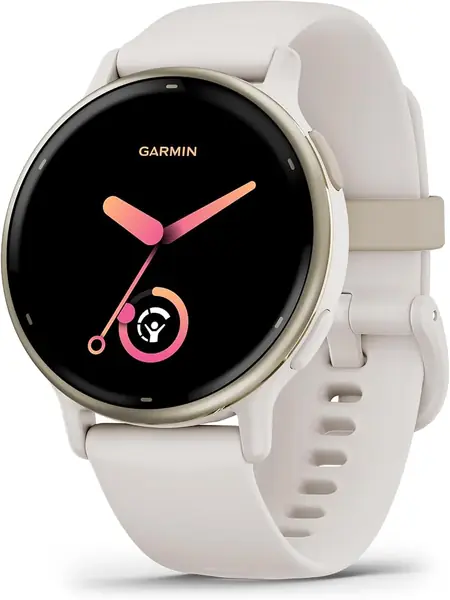
The vívoactive 5 is a health watch with a 1.2-inch AMOLED display, an 11-day battery rating in smartwatch mode, and Garmin's full slate of health metrics: wrist heart rate, HRV status, stress, sleep coaching, and Body Battery energy monitoring. It also adds built-in GPS and more than 30 sports apps, so it covers workouts beyond the daily walk.

What we appreciate most is how those numbers hang together. Body Battery gives us a simple read on whether to push or back off, and the sleep coach is more useful as a weekly trend than as a nightly grade. We found the button-and-touch controls easy to learn, though the 42 mm case is noticeably larger than a screenless band.

The vívoactive 5 is the health tracker we point to when someone wants one watch for sleep, recovery, stress, and workouts without a subscription. The habit it changed for us was checking recovery before deciding how hard to train, which is exactly what a health tracker should do.

Pros

  • Deep recovery and sleep context without a subscription
  • Up to 11 days of battery in smartwatch mode
  • Built-in GPS and 30+ sports apps

Cons

  • Always-on display cuts battery life to about five days
Our verdict

Our default health tracker for most people, the vívoactive 5 pairs deep sleep, recovery, and workout data with an 11-day battery and no subscription.
Check Latest Price
2

Amazfit Helio Strap Best Screenless Tracker

89 /100
TKZ Score Excellent

Key details

Battery Life
Up to 10 days
Weight
0.64 oz
Sports Modes
27
Subscription
None required
View on Amazon

The Helio Strap is the screenless tracker we reach for when we want the data without another monthly bill. Amazfit keeps the hardware simple: an 18.14-gram band, a 10-day battery rating, 24/7 heart rate, blood oxygen, stress, and sleep tracking, plus 27 sports modes and a strength-training mode aimed at lifters and HYROX-style training.

We liked how little the band interferes with sleep and lifting. The hook-and-loop strap is easy to fine-tune, and the lack of a screen means no glowing wrist at night. The Zepp app gives you a lot of data, including a HybridCharge score that changes with workouts and stress; we found it most useful as a morning check-in rather than a precise recovery prescription. The Zepp app is busier than we want for a quick glance, and sleep tracking is better at showing patterns than at nailing every stage.

The Helio Strap earns its place because it covers the health basics without a subscription and without asking you to charge every few days. For lifting, sleep, and all-day heart rate, it is the screenless value we keep coming back to.

Pros

  • No subscription required
  • 10-day battery and 18.14 g band
  • 27 sports modes including strength training

Cons

  • No built-in GPS
  • Some units stop working within months
Our verdict

We recommend the Helio Strap for anyone who wants no-subscription health tracking in a screenless band, provided you can live without built-in GPS.

Check Latest Price
3

Google Fitbit Air Best for Sleep

88 /100
TKZ Score Excellent

Key details

Battery Life
5 days
Water Resistance
50 meters
Display
No display
Health Sensors
Heart rate, SpO2, skin temperature
View on Amazon

At 5.07 grams, the Fitbit Air is a screenless tracker built for all-day and overnight wear. The one-size band adjusts from 130 to 210 mm, and the lack of a display means no light or notification tap interrupts your night. Fitbit covers optical heart rate, SpO2, skin-temperature variation, sleep tracking, and up to a week of battery life, with a five-minute charge giving you a day of use.

We were pleasantly surprised by how little the band moved during sleep and how easily the buckle micro-adjusts. The Google Health app is friendly, and the AI coaching is a nice extra if you use the included trial. Syncing is the part to watch: the connection to Google Health can be slow or drop out, so check your phone's OS version before you commit. Sleep tracking is useful for spotting trends, though we do not treat a single night's score as a verdict.

The Air is the screenless pick for someone who wants Fitbit's sleep and stress insights without a display. The five-minute top-up is the detail that makes it easy to live with; a quick charge before a shower covers a day.

Pros

  • 5.07 g screenless design disappears on the wrist
  • Up to a week of battery and five-minute charge
  • Tracks heart rate, SpO2, skin temperature, and sleep

Cons

  • No on-wrist stats or built-in GPS
  • Premium coaching requires a subscription after the trial
Our verdict

The Fitbit Air is the screenless tracker we hand to sleep-focused shoppers who want the lightest possible band and can live with the occasional sync stall.

Check Latest Price
4

WHOOP 5.0 Best for Recovery

87 /100
TKZ Score Excellent

Key details

Battery Life
14 days
Water Resistance
IP68
Health Metrics
140+ metrics
Membership
12-month Peak included
View on Amazon

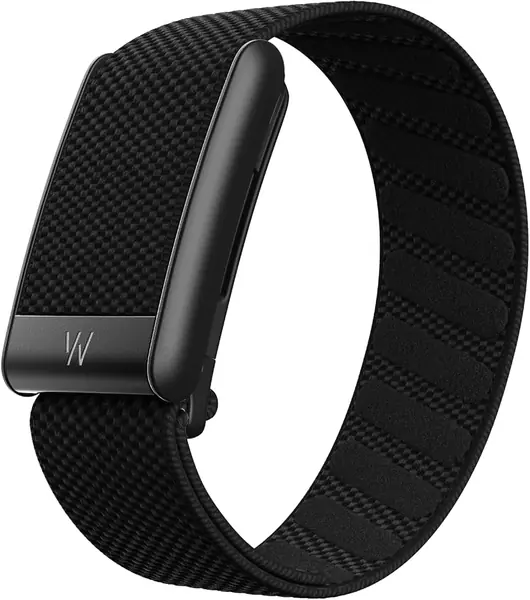
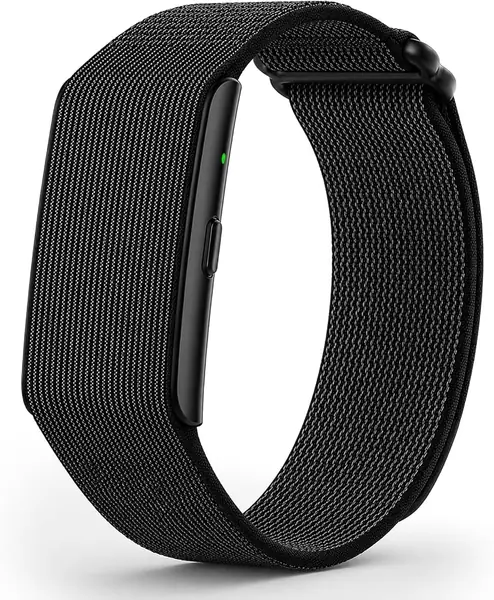
WHOOP sells the membership, not the band, and that changes how you should think about the purchase. The 12-month Peak plan includes the 5.0 tracker, a SuperKnit band, and a waterproof wireless PowerPack, so the hardware arrives without a separate device charge. The payoff is a screenless health tracker built around recovery, strain, sleep, HRV, and a Healthspan view that ties daily habits to longer-term aging metrics. The battery rating is 14 days, and you can top it up from the PowerPack while wearing it.

We found the recovery and sleep breakdowns more useful than a raw step count. The app turns 140+ metrics into a morning readout, and the AI coach is best used as a prompt for what to try next, not as a medical opinion.

For someone training hard and already paying attention to sleep and recovery, WHOOP is a focused tool with fewer distractions than a smartwatch. We value the recovery focus; the question is whether you want a health service or a health gadget.

Pros

  • Recovery, strain, and sleep coaching in one app
  • 14-day battery with wearable charging
  • Screenless design and 140+ metrics

Cons

  • Requires ongoing membership
  • Knit band can irritate sensitive skin
Our verdict

WHOOP 5.0 earns its place for athletes who want recovery and sleep coaching in a screenless band and are ready for a membership model.

Check Latest Price
5

Samsung Galaxy Fit 3 Best Budget Android

86 /100
TKZ Score Excellent

Key details

Battery Life
13 days
Water Resistance
5ATM and IP68
Display
1.6-inch AMOLED
Compatibility
Android only
View on Amazon

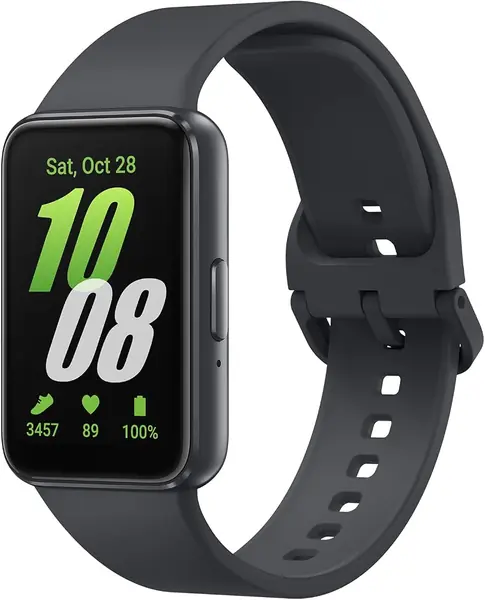
The Galaxy Fit 3 is the budget Android band we recommend when you want a real screen without smartwatch prices. The 1.6-inch AMOLED display is big enough to read notifications and workout stats at a glance, and the aluminum case keeps the weight down. Samsung packs in sleep coaching, SpO2, heart rate, 101+ workout modes with auto detection, and 5ATM/IP68 water resistance.

We liked how quickly the Fit 3 paired with a Samsung phone and how naturally the Samsung Health data fit into the rest of the app. Sleep and step tracking were the standout daily metrics for us, and the band was comfortable enough for overnight wear. The 13-day rating is a best-case figure; expect to charge more often if you use the screen heavily.

The screen is the feature that keeps us coming back; the rest is a sensible health band that happens to look like a smartwatch.

Pros

  • Large 1.6-inch AMOLED screen
  • 13-day battery and comfortable band
  • Sleep coaching and 101+ workout modes

Cons

  • Android-only compatibility
  • International model lacks a U.S. warranty
Our verdict

Android users who want a bright screen, long battery, and solid sleep tracking should start with the Galaxy Fit 3.

Check Latest Price
6

Garmin Instinct 3 AMOLED Best Rugged

85 /100
TKZ Score Excellent

Key details

Battery Life
Up to 18 days
Water Resistance
100 meters
Display
1.2-inch AMOLED
GPS
Multi-band GPS with SatIQ
View on Amazon

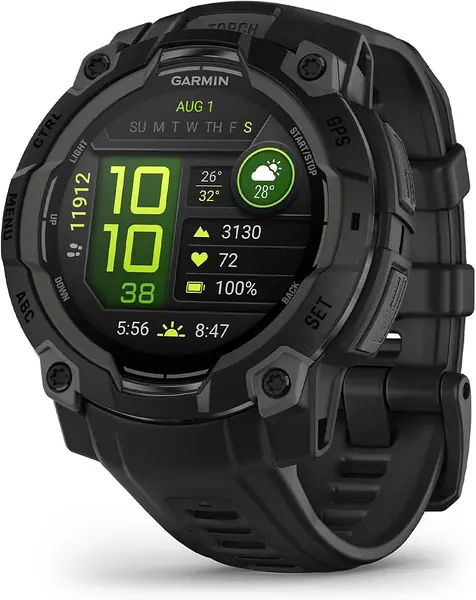
The Instinct 3's built-in flashlight sounds like a gimmick until you need to find a keyhole, check a trail map, or walk back to camp after dark. Around that useful extra, Garmin builds a genuinely rugged health watch: a 45 mm fiber-reinforced polymer case, metal-reinforced bezel, 1.2-inch AMOLED display, 100-meter water resistance, and an 18-day battery rating. It also carries wrist heart rate, advanced sleep monitoring, Pulse Ox, stress tracking, and multi-band GPS with SatIQ.

We appreciated the button-first controls when wearing gloves, and the flashlight has more usable brightness levels than we expected. Health tracking is comprehensive rather than cuddly; the sleep and stress data are there, but Garmin expects you to dig into the app for context. If you want a sleek everyday tracker, this is more watch than you need.

For someone who spends weekends outside and wants one device for navigation, weather, and health metrics, the Instinct 3 earns its weight. The AMOLED screen is a welcome upgrade over the older monochrome look, and the battery still stretches across a long trip.

Pros

  • Built-in flashlight with multiple brightness levels
  • 18-day battery and 100-meter water resistance
  • Multi-band GPS and comprehensive health metrics

Cons

  • 53-gram case feels heavy on smaller wrists
Our verdict

The Instinct 3 AMOLED is the rugged pick for hikers and outdoor athletes who want multi-band GPS, a built-in flashlight, and an 18-day battery.

Check Latest Price
7

Domhong Screenless Fitness Tracker Ultra-Budget Screenless

80 /100
TKZ Score Excellent

Key details

Battery Life
20–30 days
Water Resistance
IP68
Weight
0.88 oz
Sports Modes
170+
View on Amazon

A 20- to 30-day battery is the Domhong's headline, and it is the reason to look at this screenless band at all. The 25-gram tracker covers heart rate, SpO2, HRV, stress, sleep, steps, and 170+ sport modes, with connected GPS from your phone and a free QwatchPro app. It is IP68-rated, so sweat and rain are fine, but this is not a dive watch.

We liked the light, forget-it's-there fit and the fact that there is no subscription waiting after setup. The app is basic but readable, and the daily energy view gives you a quick sense of whether you have been pushing too hard.

The band is comfortable for overnight wear, and the battery is the feature you notice most because you stop thinking about charging. Setup took only a few minutes, though the app is more of a dashboard than a coach.

For a first tracker, a spare, or a gift, the Domhong is a low-risk way to try screenless health tracking. The battery is the feature you will notice most; the rest is competent rather than polished.

Pros

  • 20–30 day battery life
  • 25 g screenless design with no subscription
  • 170+ sport modes and connected GPS

Cons

  • No built-in GPS
Our verdict

Budget shoppers who want a month of battery and basic health tracking without a subscription should consider the Domhong screenless band.

Check Latest Price

How We Tested 12 Health Trackers Over Eight Months

We started by gathering every tracker we could find that measured heart rate plus at least one of SpO2, HRV, or skin temperature, then cut anything that hid basic data behind a paywall or needed a phone within arm's reach to log a walk. That left 12 trackers, from 45mm AMOLED watches down to screenless straps that don't tell time. I wore each one for at least two weeks, and two colleagues did the same on their own wrists so no single body drove the verdicts.

Most of the testing happened where these things actually live: a 5-mile run route, three strength sessions a week, overnight in bed, in the shower, and one weekend hike where I left my phone in the car to see whether connected GPS held the route. For two weeks I wore two trackers at once, one on each wrist, and compared step counts, resting heart rate, and sleep stages on the same nights.

Accuracy got checked against a chest strap during interval runs, plus a manual pulse count at rest to see how far each optical sensor drifted. Battery was a stopwatch exercise: days between charges, minutes to full, and whether a 20-minute top-up carried a workday. Comfort came down to whether I noticed the band at 3 a.m. — anything I peeled off in the dark lost points.

I wore each one to the office and to dinner to judge how it read on the wrist, timed setup from unboxing to first recorded workout, and kept a running log of dropped pairings and failed syncs. Value was a year-one cost — purchase price plus any membership — weighed against how often I actually opened the app.

How to Choose a Health Tracker

Start With the Metrics You Will Use

Start with the health question you want answered. If you mainly want sleep and recovery context, prioritize sleep staging, HRV, and a recovery or readiness score; the Garmin vívoactive 5's Body Battery and WHOOP's recovery view are built around that. If you want everyday activity and heart rate, a simpler band covers it. More metrics are not automatically better: a number you do not understand will not change your behavior, and a single SpO2 or stress reading is far less useful than a trend you check weekly.

Choose Between a Screenless Band and a Display

A screenless band is easier to wear overnight and less distracting during the day; the Fitbit Air is the clearest example here. A display earns its place if you want to glance at workouts, notifications, or GPS maps without pulling out your phone, which is why the Instinct 3 and Galaxy Fit 3 include one. The trap is assuming a bigger, brighter screen is always better: always-on displays and high brightness cut battery life, and a glowing wrist at night can work against the sleep tracking you bought the device for.

Add Up the Real Cost: Membership and Phone Compatibility

Two costs hide behind the purchase price. First, some trackers are really subscriptions: WHOOP includes the device with a 12-month membership, and the insights stop when the membership does. Second, phone compatibility is not universal. The Galaxy Fit 3 is Android-only, while the Fitbit Air and Helio Strap work with both iOS and Android. Check the required OS version before ordering, and buy the version with the warranty for your country. A discount on an international model is not a bargain if service is unavailable.

Match Battery Life and Water Resistance to Your Routine

Rated battery life is a best-case number. An always-on display, multi-band GPS, or frequent SpO2 checks will pull it down, so decide how often you are willing to charge. The Instinct 3's 18-day rating suits a long trip, while the Domhong's 20- to 30-day claim is the standout for low-maintenance wear. Water resistance matters too: 5ATM or IP68 handles sweat, rain, and pool laps, but 100-meter ratings are for more serious water use. Check the rating before you swim, and do not dive with a pool-rated band.

Wear It Overnight Before You Commit

Comfort decides whether you actually wear the tracker overnight. Look for a low weight, a band that adjusts in small steps, and a case that does not press into your wrist when you sleep on your side. The Helio Strap's 18.14-gram body and the Fitbit Air's 5.07-gram design are built for that. Wear any new tracker for a few nights before the return window closes, and try the sleep mode or theater mode so the screen does not wake you.

Frequently Asked Questions

Final Verdict

The Garmin vívoactive 5 is the health tracker we recommend first for most people: it covers sleep, recovery, stress, and workouts, adds GPS without a subscription, and still runs for days. If you want the lightest possible sleep tracker, the Fitbit Air disappears on your wrist; if recovery coaching is the priority and the membership makes sense, WHOOP 5.0 goes deeper. For Android shoppers on a tighter budget, the Galaxy Fit 3 is the value move.