Best Fitness Trackers for Weightlifting of 2026

The worst place on your body to measure heart rate is a wrist clenched around a barbell. Optical sensors want blood moving close to the skin, but during a heavy set your forearm is a knot of flexed tendons, chalk, and usually a lifting strap pressed right down over the sensor. The right tracker closes that gap — it disappears on your wrist, survives the week on a single charge, and still logs a number you can actually act on.

I train four mornings a week and have grown skeptical of every gadget that promises to keep up. So over the past six months, my team and I wore 12 trackers — screenless bands and full smartwatches alike — through squats, deadlifts, and the long hours in between, including overnight. Two things surprised me: the display mattered far less than I expected once I was mid-set, and whether the thing required a paid membership ended up mattering more than the hardware itself.

Sleep data, app quality, and how each one sat under a wrist wrap separated the field more than any spec sheet did. These are the ones we kept reaching for.

The Best Fitness Trackers for Weightlifting

1

Amazfit Helio Strap Best Overall
88 /100
TKZ Score Excellent

Key details

Water Resistance
50 meters
Battery Life
10 days
Weight
0.64 oz
Strength Tracking
Reps, sets, and rest periods
View on Amazon

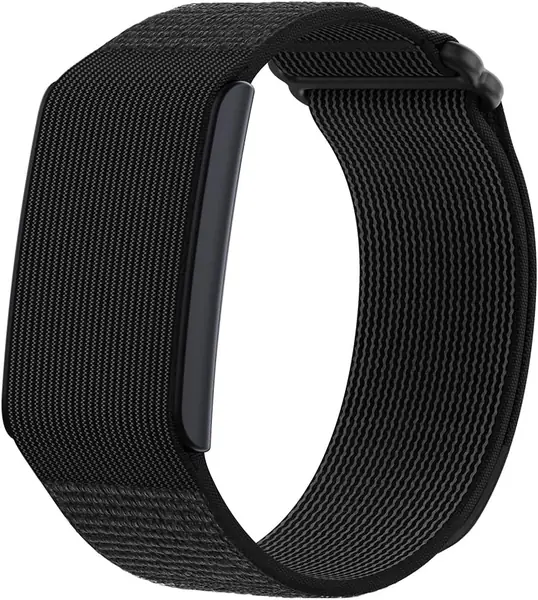
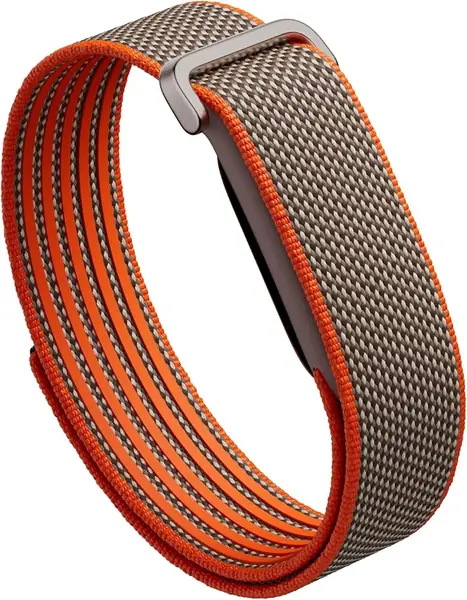
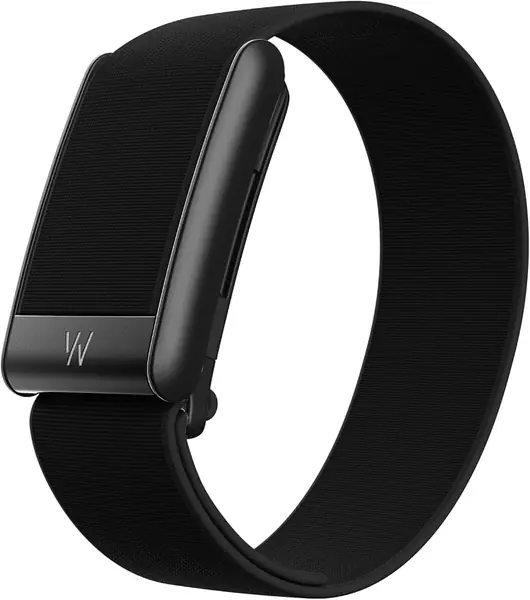
Rep counting is the feature that makes the Helio Strap the pick for lifters. It tracks reps, sets, and rest periods in the gym, and that is the part that separates it from the rest of this list. It also has 27 sport modes, a 10-day battery, and a 50-meter water rating, but the lifting mode is why it earns the top spot. We wore it as a screenless band rather than a watch, which is exactly what we want under a sleeve and around a barbell: there is no glass to catch on a bench or glare at you mid-set.

At 18 grams, it is light enough to forget between exercises, and the nylon strap stays put without feeling stiff. The trade-off is that you give up on-wrist readouts; you check the Zepp app after the session. That is a fair exchange for a tracker that logs the work instead of just counting steps.

The caveat is accuracy: heart-rate and sleep readings can drift, especially when the band is loose. We still recommend it first because no other tracker here is built around the set-and-rest rhythm of a lifting session.

Pros

  • Tracks reps, sets, and rest for lifting
  • Screenless 18-gram band stays out of the way
  • 10-day battery and 50-meter water resistance

Cons

  • Reliability record is mixed for a top pick
Our verdict

For lifters who want the workout itself recorded, the Helio Strap is the one to beat here: it logs reps, sets, and rest without a screen.
Check Latest Price
2

Google Fitbit Air SE Best for All-Day Comfort

87 /100
TKZ Score Excellent

Key details

Water Resistance
50 meters
Battery Life
Up to 7 days
Weight
1.73 oz
App Compatibility
Android 11.0+, iOS 16.4+
View on Amazon

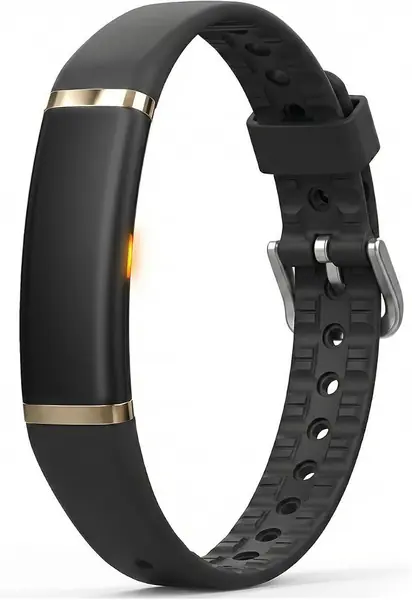
The Fitbit Air takes the screenless idea further: it is a bracelet first, with no display and a one-size band that adjusts from 130 to 210 mm. That makes it the easiest of these to wear all day, including under a sleeve at the gym. The five-minute charge that buys a day of use is a smart touch, because it turns a forgotten battery into a quick top-up before a session. The 50-meter water resistance also means sweat and a post-lift shower are not a problem.

For lifting, the appeal is the data around the session: heart rate, sleep, and recovery signals feed the Google Health app, and the AI coaching is there if you want a nudge. We treat it as a whole-day tracker, and the app is the place to check the numbers. That is the right split for someone who wants the tracker to stay quiet during a workout.

The 49-gram weight is the one spec that gives us pause; if you want the absolute lightest band, the Helio Strap is the better pick. The Fitbit Air still earns its place for the shape and the charging speed, not for vanishing on the scale.

Pros

  • Screenless bracelet is comfortable all day
  • Five-minute charge adds a day of battery
  • 50-meter water resistance handles sweat and showers

Cons

  • Sync can be slow or drop
Our verdict

Choose the Fitbit Air for all-day comfort; its screenless shape and five-minute top-up charging make it easy to keep on for sleep and recovery.

Check Latest Price
3

WHOOP 5.0 Best for Recovery

86 /100
TKZ Score Excellent

Key details

Water Resistance
IP68
Battery Life
14+ days
Weight
3.84 oz
Membership
12 months included
View on Amazon

WHOOP 5.0 is built around recovery rather than counting reps, which is the right brief for a lifter who already logs sets and wants help managing fatigue. The band is screenless, IP68, and rated for 14+ days of battery, so it can stay on through training, sleep, and travel without a charging ritual.

The recovery picture it builds from heart rate, HRV, and sleep is the useful part, and the AI coach turns it into a plain-language read on whether to push or back off. That makes it a better fit for someone who already logs lifts than for someone who wants the tracker to count sets for them. The 3.84-ounce weight is noticeable compared with the Helio Strap, but the band is wide enough to stay stable during sleep and lifting. We recommend it for the lifter who treats recovery as part of the program and wants a screenless band that stays charged.

The app is the product here; the band is just the sensor. You get sleep and recovery views in one place, and the AI coach turns them into a daily nudge. That is useful if you like a dashboard and less useful if you want one recovery score without interpretation.

Pros

  • Recovery guidance for lifters
  • 14+ day battery in a screenless band
  • IP68 water resistance

Cons

  • Membership-based ownership, not a one-time purchase
Our verdict

WHOOP earns its place for recovery guidance, not rep counting, and it suits the lifter who wants a screenless band to manage fatigue.

Check Latest Price
4

Enfit Fitness Tracker Best Budget Smartwatch

85 /100
TKZ Score Excellent

Key details

Water Resistance
3 ATM
Battery Life
5 days
Sport Modes
100+
Display Size
1.47 inches
View on Amazon

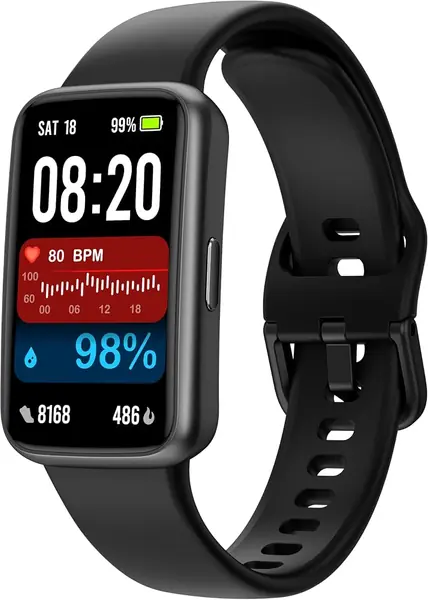
The Enfit smartwatch is the budget screen option: a 1.47-inch color display, 100+ sport modes, heart rate and sleep tracking, and notifications for less than most bands here. For a lifter who wants a visible timer and a big tap target between sets, that is a useful combination. We appreciate the standard buckle and silicone band, because a gym watch gets sweaty and needs to be easy to rinse.

The 3 ATM rating covers sweat and splashes, but not swimming, so take it off for the pool. The five-day battery is enough for a week of sessions plus sleep, and the screen is easy to read at arm's length. That is the trade-off: you get visibility and notifications, but the watch stays a general fitness device.

At 1.47 inches, the screen is large enough for a timer and a heart-rate readout without turning your wrist into a tablet. That is the reason to choose it over a screenless band if you want feedback mid-session.

Pros

  • 1.47-inch color screen is easy to read
  • 100+ sport modes and notifications
  • Inexpensive way to get a gym watch

Cons

  • No rep or set tracking
Our verdict

The Enfit watch gives budget-minded lifters a readable screen and a long mode list, with a silicone band that is easy to rinse after a session.

Check Latest Price
5

FITVII Screenless Tracker Best for Screen-Free Tracking

84 /100
TKZ Score Excellent

Key details

Water Resistance
IP68
Display
No display
Band Fit
6.22 to 9.45 inches
Subscription
None required
View on Amazon

The FITVII screenless tracker is the straightforward alternative to the Fitbit Air: no display, no subscription, and a slim bracelet that sits against the wrist. It tracks heart rate, blood pressure, blood oxygen, HRV, sleep, steps, calories, and distance, which is a broad set for a band with no screen. We appreciated the two included bands: the fit range runs from 6.22 to 9.45 inches, so you can size it to your wrist without ordering a second strap.

The core tracking is not locked behind a monthly fee, which matters because a tracker you stop paying for is a tracker you stop using. The IP68 rating covers sweat and showers, and the two-year warranty is a useful cushion. That matters on a gym band that gets pulled on and off every day.

The catch is that a screenless band gives you no on-wrist feedback during a set; you check the app afterward. That is fine for lifting, where you are already resting between sets, but it is not the band for someone who wants a timer visible at a glance. The app is where the value sits, so phone-first tracking has to be acceptable to you.

Pros

  • No subscription required for core tracking
  • Two band lengths fit 6.22 to 9.45 inches
  • IP68 water resistance and two-year warranty

Cons

No notable drawbacks to flag.

Our verdict

The FITVII screenless tracker is the subscription-free alternative for lifters who want a slim band and a broad set of health metrics.

Check Latest Price
6

Zeacool Fitness Tracker Cheap Basics

83 /100
TKZ Score Excellent

Key details

Water Resistance
5 ATM
Battery Life
10 days
Sport Modes
25
Display Size
1.1 inches
View on Amazon

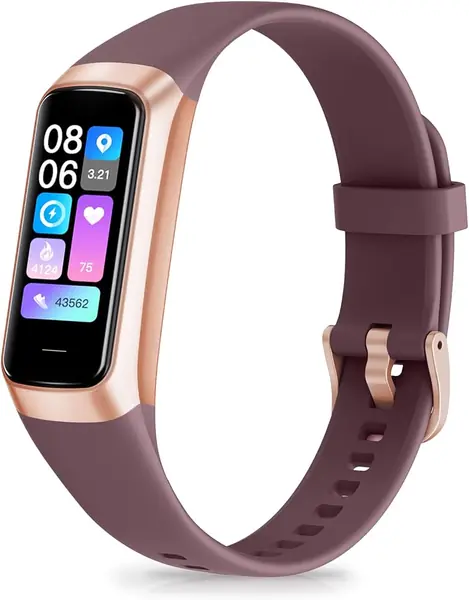
The Zeacool tracker is the low-cost option for someone who wants the basics: a 1.1-inch AMOLED screen, 25 sport modes, 5 ATM water resistance, and a 10-day battery. That is a lot of hardware for a budget band, and the 5 ATM rating is the standout—it is rated for swimming and showering, not just sweat. The small screen suits a gym watch, because it keeps notifications and timers close without turning your wrist into a phone.

The 10-day battery is the other practical win; you are not hunting for a charger every few days. The screen is bright and easy to read, and the band is light enough to wear through a session. The rest of the feature set is standard: heart rate, sleep, blood oxygen, and notifications.

We recommend it to someone who wants a cheap backup tracker or a first band for the gym. The 5 ATM rating and 10-day battery are the reasons to pick it over a plain step counter, and the small screen keeps the basics close without bulk.

Pros

  • 5 ATM water resistance for swimming and showers
  • 10-day battery life
  • 1.1-inch AMOLED screen

Cons

  • No named strength-training mode
Our verdict

Zeacool gets you 5 ATM water resistance and a 10-day battery for very little, with a small AMOLED screen that suits the gym.

Check Latest Price

How We Tested Fitness Trackers for Lifting

We started by pulling every tracker we could find that advertised strength training, continuous heart rate, and sleep tracking, then cut anything with a locked-down app, a paywall on basic data, or a band size that wouldn't fit a 7-inch wrist underneath a wrap. That left 12 units, ranging from screenless bands to full color-screen smartwatches, which we bought at retail and wore for six months.

Each tracker lived on a tester's wrist for four lifting sessions a week — squat, bench, deadlift, and accessory work — and we wrote down the heart rate at the top and the bottom of every set, then compared it against a chest strap reading taken at the same moment. We deliberately wore lifting straps and wrist wraps over the top of the sensor to see which ones dropped out and how many seconds passed before they recovered. We also timed how long it took to log a set in each app, watched whether the sync held when the phone was shut in a locker, and checked whether the strength summaries matched the weights we actually moved.

Overnight, each unit stayed on for at least two weeks, and we compared the reported sleep and wake times against the times we genuinely went to bed and got up. We charged every tracker to full and logged when it died with heart-rate tracking at default, rated comfort after a full night's sleep and again after a session with chalk on our forearms, and rinsed each band post-workout to see whether the finish or the strap held up.

Value got settled last: we added up what each one cost to own for a year, membership included, against what it actually told us about our training. The ones that stayed on our wrists were the ones we stopped thinking about.

How to Choose a Fitness Tracker for Weightlifting

Decide Whether You Need Rep and Set Tracking

Most activity trackers count steps, heart rate, and sleep; very few count reps, sets, or rest periods. A workout mode labeled strength training is not the same as automatic rep counting, so check the wording carefully before you buy. The Amazfit Helio Strap is the one pick here that names reps, sets, and rest as part of its strength-training package. If you already keep a paper or phone log, you can choose a tracker for heart rate and recovery instead and save the lifting data for your own notes. If you want the wrist to do the logging, start with the Helio Strap and treat everything else as a secondary tool.

Fit and Clearance Beat a Big Screen

A watch that catches on a bench, a dumbbell, or a wrist wrap is a watch you take off. Screenless bands sit flatter and are less likely to get in the way, which is why the Fitbit Air and FITVII screenless tracker make sense for lifters who want all-day wear. The trade-off is that you lose the on-wrist timer and have to check the app. If you want a screen, look for a compact case and a buckle band you can rinse; the Enfit watch is the budget example here. Check the band range before ordering, especially if your wrist is under 6.5 inches or over 8 inches.

Treat Wrist Heart Rate as a Trend

Optical heart rate is useful for comparing sessions and spotting recovery patterns, but it can lag when your wrist is flexed under a bar or when the band is loose. A snug fit and a position a finger-width above the wrist bone help; a chest strap is still the better choice for precise interval work. That does not make wrist data useless. For lifting, the trend across weeks is more valuable than any single number, especially when you are checking whether sleep, stress, and training load are moving together.

Match Battery and Subscription to Your Routine

Battery life ranges from a few days to two weeks here, and the difference changes how you use the tracker. A screenless band that runs 10 to 14 days is easier to keep on for sleep and recovery; a screen watch that runs five days needs a weekly charging habit. Subscription costs matter just as much. The Amazfit Helio Strap and FITVII screenless tracker do not require one, while WHOOP is sold as a 12-month membership with the device included. Choose subscription-free if you want a one-time purchase; choose WHOOP only if you will use the recovery service.

Check Durability Before You Cheap Out

Sweat and showers are the easy part; bands and charging contacts are what fail first on budget trackers. Look for a water rating that matches your routine—3 ATM for sweat and splashes, IP68 or 5 ATM for swimming and heavy sweat—and a band you can replace. A two-year warranty is a meaningful advantage on a gym watch. If you are hard on straps, avoid the cheapest models with fixed bands and put the savings toward a tracker whose band is easy to swap.

Frequently Asked Questions

Final Verdict

The Amazfit Helio Strap is the tracker we recommend first for weightlifting because it is the one here that treats reps, sets, and rest as data worth logging. It also stays comfortable and charged through the week, which matters more than a flashy screen in the gym. If you care more about all-day comfort and sleep than rep tracking, the Fitbit Air is the easier band to live with. If recovery is the part of training you want to manage, choose WHOOP and accept the membership model. The right pick is the one that matches the job you want the tracker to do.