Best Earbuds with Good Bass of 2026

Nearly every pair of earbuds sold as "big bass" keeps that promise the same wrong way — by piling on low end until the vocals go underwater and the cymbals turn to fog. The good ones don't do that. They give you a kick drum you can feel in your chest and still let you hear the singer breathe, usually by pairing a larger driver with an app that lets you shape the low end yourself.

My team and I spent the past six months with 14 pairs, wired and wireless, and the biggest factor in bass turned out to be the least glamorous one: the seal. A cheap pair with the right tip size hits harder than an expensive pair you keep reseating.

Battery life, controls, and a connection that holds matter just as much once the novelty wears off — nothing kills a bass-heavy playlist like a bud that cuts out on the train platform. The picks below got all of it right at their price, from the least expensive pair we tested to the one we'd save up for. Here's what earned a spot in our bags.

The Best Earbuds with Good Bass

1

soundcore P20i Best Overall
90 /100
TKZ Score Outstanding

Key details

Driver Size
10 mm
Battery Life
Up to 30 hours with case
EQ
22 presets in app
Noise Control
Passive isolation
View on Amazon

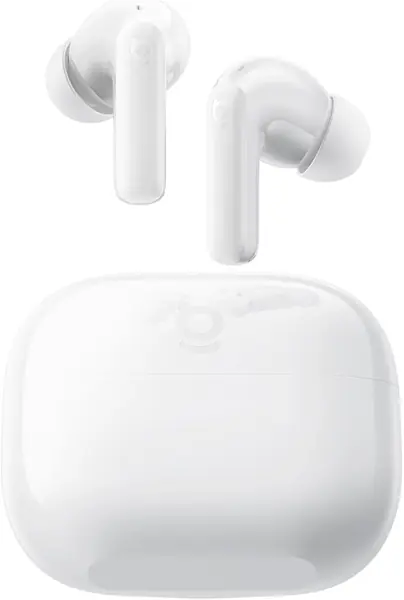
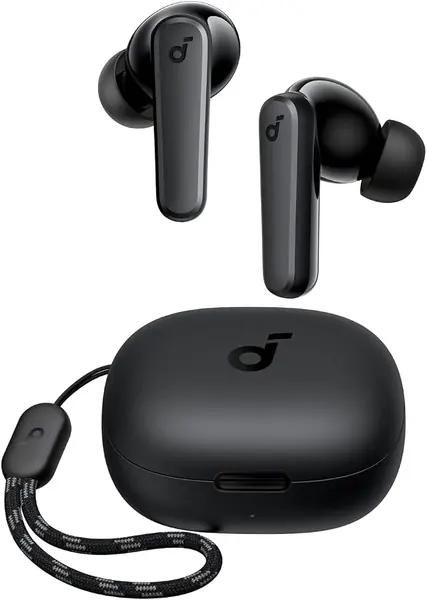
The soundcore P20i is the pair we hand to anyone who says bass comes first and the budget comes second. Its 10 mm drivers are tuned with a clear low-end push, and the app's 22 EQ presets let you pull even more bass forward or dial it back for podcasts. That flexibility is why it is our top pick: the bass is adjustable, not just loud.

The case is small enough for a pocket, and Find My Earbuds has already saved us a search through a bag. Battery is rated at up to 30 hours with the case, and the three tip sizes make it easy to get a starting seal. The touch controls are simple, but we prefer the app for EQ and for checking battery.

Calls run through two mics with AI processing. They are fine for quick conversations, not a replacement for a headset. Water resistance covers sweat and light rain, not swimming, so this is a commute and gym pair rather than a pool pair.

The P20i is the most useful bass-first package here for the least complication. If you need a quieter commute, the P30i and TOZO NC9 are the picks to compare. The 22 presets are the part we keep coming back to: they let one pair serve hip-hop, podcasts, and a noisy bus without sounding like a one-trick bass cannon.

Pros

  • Adjustable bass with 22 EQ presets
  • Long case playtime for the price
  • Find My Earbuds and compact case

Cons

  • No active noise cancellation
  • Fit can loosen during workouts
Our verdict

The soundcore P20i is our top pick for bass-first listeners who want app EQ, long case playtime, and simple wireless design without paying for noise cancellation.
Check Latest Price
2

soundcore P30i Best Noise Cancelling

89 /100
TKZ Score Excellent

Key details

Driver Size
10 mm
Battery Life
Up to 45 hours with case
Noise Cancellation
Up to 42 dB
Case Extra
Built-in phone stand
View on Amazon

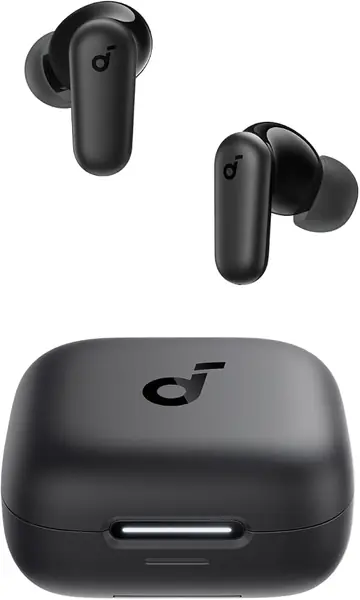
The soundcore P30i's charging case has a flip-out back panel that holds your phone, which sounds like a novelty until you are watching something on a tray table and do not want to hold the screen. The rest of the package is serious: 10 mm drivers with BassUp, adaptive ANC rated to 42 dB, transparency mode, and up to 45 hours with the case.

We recommend it as the noise-cancelling pick because it adds ANC without turning into a premium purchase. The bass has a similar punchy character to the P20i, and the fit is more secure for many ears, which matters because ANC depends on a seal. Cyclists and runners should treat ANC as a commute feature rather than a wind blocker.

The phone-stand case is the detail that makes it feel more expensive than it is, and the 18-month warranty is a small reassurance. The transparency mode is the sleeper feature: it lets you order coffee without pulling a bud out, and it makes ANC feel like a switch rather than a commitment.

Pros

  • ANC plus transparency at a budget price
  • Case doubles as a phone stand
  • Punchy bass and secure fit

Cons

  • ANC can struggle with wind noise
Our verdict

We recommend the soundcore P30i to anyone who wants punchy bass and real noise cancellation, with a phone-stand case as a genuinely useful bonus.

Check Latest Price
3

TOZO NC9 Best for Long Trips

88 /100
TKZ Score Excellent

Key details

Battery Life
Up to 60 hours
Noise Cancellation
Up to 45 dB
EQ
32 presets in app
Water Resistance
IPX8
View on Amazon

Sixty hours of case playtime and an IPX8 waterproof rating are the two numbers that make the TOZO NC9 stand apart. It is the pair we reach for on a long trip or a wet commute, because the charging case can go a week of normal use between plugs and the buds can survive rain, sweat, and an accidental splash.

We like it as the travel pick because it does not make you choose between battery and features: hybrid ANC rated to 45 dB, a transparency mode, six mics for calls, and 32 EQ presets in the app. The bass is deep and adjustable, though the default tuning leans warm rather than razor-clean. The fit is the weak point when you sweat; the buds can slip, and a slipping bud kills both bass and ANC.

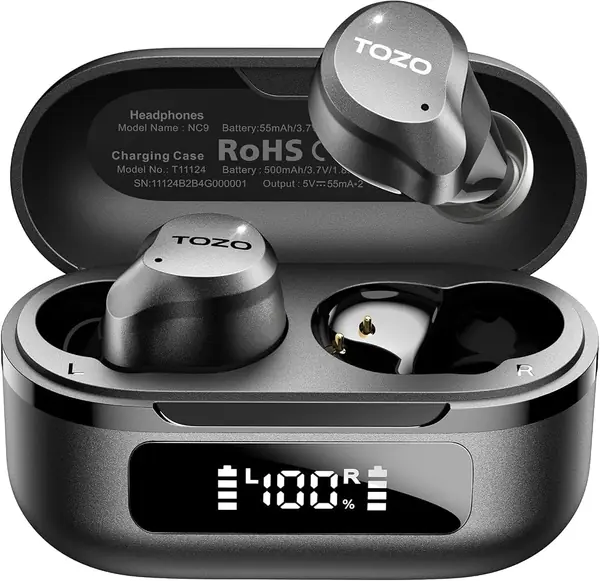
The LED display on the case is a small thing we appreciate more than expected: you can see the charge without opening the app. Controls are touch-based and take a few minutes to learn. For the price, the NC9 is the most feature-dense pair here, but the P20i is simpler and the P30i has a more secure fit for exercise. A week between charges is the kind of convenience you notice most when you are away from an outlet.

Pros

  • Very long 60-hour case battery
  • IPX8 waterproofing for travel
  • Adjustable bass with 32 EQ presets

Cons

  • Can slip during sweaty workouts
Our verdict

The TOZO NC9 is the travel-ready bass pick, pairing 60-hour playtime and IPX8 waterproofing with adjustable sound and effective noise cancellation.

Check Latest Price
4

Nothing Ear (3a) Best Premium Features

87 /100
TKZ Score Excellent

Key details

Driver Size
12 mm
Battery Life
Up to 42 hours
Noise Cancellation
Up to 45 dB
Bluetooth
6.0
View on Amazon

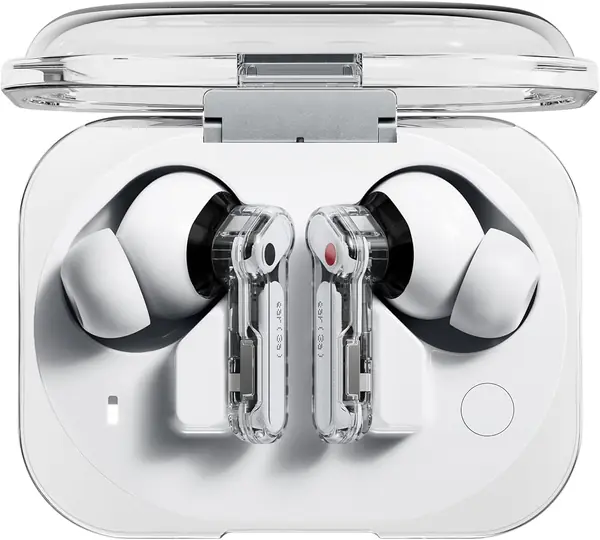
The Nothing Ear (3a) is the pair that makes bass feel like part of a design statement. The transparent case and buds look unlike anything else here, and the 12 mm driver gives the low end more room to breathe than the smaller drivers in the budget picks. It is our premium pick because it adds features you actually use, not just a nicer finish.

The 45 dB ANC is strong on paper and effective in practice for engine rumble and office chatter; the four tip sizes help you find a seal. Bluetooth 6.0, dual-device pairing, and six mics make it a good work-from-anywhere pair. The sleeper feature is call recording and Audio Snapshot, which let you save up to two hours of a call or a minute of media directly from the buds.

We recommend it for listeners who split time between a laptop and a phone and want a bass-forward sound with more polish. The recording feature is the one we did not expect to use, and now it is the reason this pair stays in our work bag. The transparent design is the part that makes it feel like a small upgrade every time you open the case.

Pros

  • Big 12 mm driver with Hi-Res audio
  • Strong ANC and dual-device Bluetooth 6.0
  • Call recording and Audio Snapshot

Cons

  • Controls take practice
  • Battery trails cheaper picks
Our verdict

We recommend the Nothing Ear (3a) for listeners who want a bigger 12 mm driver, strong ANC, dual-device pairing, and call recording in a premium package.

Check Latest Price
5

Sony Deep Bass Wired Earphones Best Wired

86 /100
TKZ Score Excellent

Key details

Driver Size
9 mm
Connection
3.5 mm wired
Noise Control
Passive isolation
Frequency Range
5 Hz–24 kHz
View on Amazon

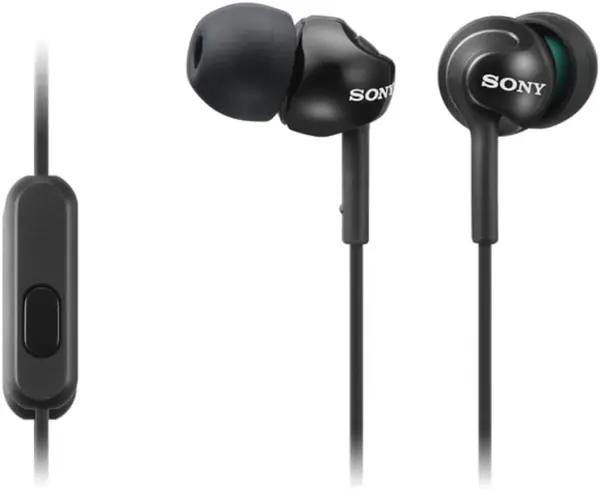
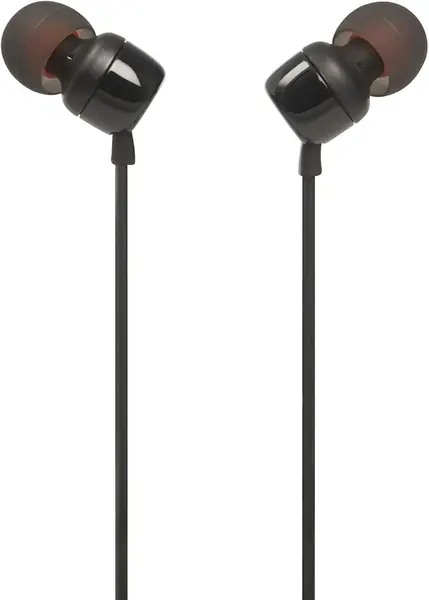
There is no battery to charge, no pairing to wait for, and no case to lose with the Sony Deep Bass Wired Earphones. That simplicity is the point: plug them into a 3.5 mm jack and the 9 mm drivers deliver a warm, bass-forward sound with passive isolation that takes the edge off a bus or plane.

The in-line mic and one-button remote handle calls and playback, and the included case keeps the cable tidy. The frequency range reaches down to 5 Hz and up to 24 kHz, which is wider than most budget wireless pairs on paper, though the real benefit is the snug fit and the lack of charging anxiety.

We recommend them for travel and desk use where a cable is not a nuisance. The two-year warranty helps, and the included case is a small thing that keeps them from becoming a drawer tangle. If you want wireless convenience, the P20i is the better daily pair; if you want to never think about a charge, these Sony earphones are an easy yes. The 5 Hz low-end reach is the spec we keep coming back to when a track has a sub-bass line that budget wireless pairs round off.

Pros

  • Deep bass with passive isolation
  • No battery or charging to manage
  • Lightweight and comfortable for long wear

Cons

  • Thin cable is a wear point
  • No water resistance
Our verdict

The Sony Deep Bass Wired Earphones are our wired pick for bass lovers who want passive isolation and no battery to charge, as long as they can live with a thin cable.

Check Latest Price
6

Baseus Bass BP1 NC Ultra-Budget Bass

85 /100
TKZ Score Excellent

Key details

Driver Size
12 mm
Battery Life
Up to 41 hours
Noise Cancellation
Up to 43 dB
Water Resistance
IP55
View on Amazon

A 12 mm driver is unusually large at this end of the market, and the Baseus Bass BP1 NC leans into it with a SuperBass algorithm and 24 EQ presets in the app. The result is a big, physical low end that makes the buds feel more expensive than their finish suggests.

The rest of the package is equally ambitious: hybrid ANC rated to 43 dB, Bluetooth 6.0, IP55 water resistance, and up to 41 hours with the case. The four-mic AI call setup is fine for indoor calls. We like that the app lets you dial the bass back; without it, the default tuning can overwhelm vocals.

The BP1 NC is not the most polished pair here, but it is the one that puts the biggest driver and real ANC within reach of a tiny budget. We recommend it for a second pair, a gym bag, or a listener who wants to experiment with EQ. The P20i is the safer all-rounder; the P30i is the better travel companion. The 12 mm driver is the reason to take the chance.

Pros

  • Big 12 mm super-bass driver
  • ANC and IP55 at a budget price
  • 41-hour battery and app EQ

Cons

  • ANC can introduce static on some devices
  • PC pairing can be fussy
Our verdict

The Baseus Bass BP1 NC is a compelling ultra-budget bass pick, with a 12 mm driver and real ANC for listeners who want big low end without spending much.

Check Latest Price
7

Tribit FlyBuds 3 Best for Battery Marathoners

84 /100
TKZ Score Excellent

Key details

Battery Life
Up to 110 hours with case
EQ
Custom EQ
Water Resistance
IPX8
Bluetooth
5.2
View on Amazon

The Tribit FlyBuds 3 start with a number that sounds like a typo: up to 110 hours of playtime with the charging case. That is the point of this pair. If you want earbuds for a week of commuting, a camping trip, or a job where charging is one more thing to remember, the FlyBuds 3 are built around forgetting the cable.

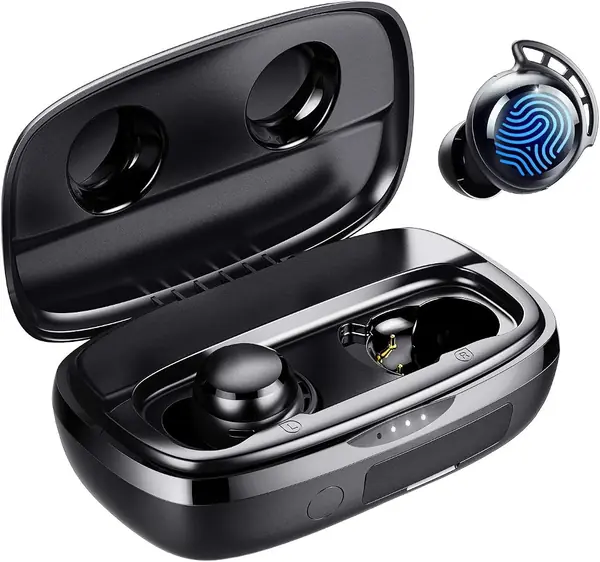
The 7-hour per-charge figure is more realistic for daily use, and the IPX8 rating means rain and sweat are not a concern. The bass is deep and the custom EQ lets you shape it; the rounded tips are shaped to stay put, and the fit is one of the more secure ones here. The case is large because of the battery, but it still fits in a backpack pocket.

The FlyBuds 3 are a one-note pick in the best way: they are about endurance, not features. The touch controls are basic, and the sound is tuned for fun rather than detail. The rounded tips and IPX8 rating make it a natural gym or travel pair, and the custom EQ gives the bass a little more shape than the default curve.

We recommend the FlyBuds 3 as the extreme-playtime pick, not as the best all-rounder. The P20i sounds more tunable, the P30i cancels noise, and the TOZO NC9 balances battery and waterproofing better for travel. The FlyBuds 3 win when the outlet is the enemy.

Pros

  • Up to 110 hours with case
  • IPX8 waterproofing
  • Secure fit and custom EQ

Cons

  • No active noise cancellation
  • Volume may top out on some tracks
Our verdict

The Tribit FlyBuds 3 are our extreme-playtime pick for listeners who care more about weeks between charges and IPX8 waterproofing than noise cancellation.

Check Latest Price
8

JBL Tune 110E Best for Wired Backups

83 /100
TKZ Score Excellent

Key details

Driver Size
9 mm
Connection
3.5 mm wired
Cable
Tangle-free flat
Remote
1-button with mic
View on Amazon

The flat cable on the JBL Tune 110E is the first thing we noticed, because it refuses to tangle in a pocket the way round cables do. For a wired pair, that is a real daily advantage: you pull them out, plug them in, and you are done.

The 9 mm drivers deliver JBL's Pure Bass tuning, which means a warm low end and a smooth top rather than a clinical sound. The one-button remote and mic handle calls and playback, and the 3.5 mm plug works with laptops, phones with a headphone jack, and older gear.

The included ear tips come in three sizes, and the lightweight housing sits comfortably for long calls. The flat cable is the right shape for a desk drawer or a jacket pocket. The one-button control is simple enough to use without looking, which is more than we can say for some touch panels.

We recommend the Tune 110E as a cheap wired backup or a first pair for someone who does not want to manage charging. The Sony Deep Bass Wired Earphones have better passive isolation and a longer warranty, while the P20i is the wireless step up. The Tune 110E wins on simplicity: no case, no battery, no app.

Pros

  • Pure Bass tuning with 9 mm drivers
  • Tangle-free flat cable
  • One-button remote and mic

Cons

  • Not water resistant
  • Cable can wear over time
Our verdict

The JBL Tune 110E is the cheap wired backup we recommend for bass lovers who want a tangle-free cable and no charging, not a workout-ready pair.

Check Latest Price

How We Tested Earbuds for Bass

We started by pulling together every pair whose listing called out bass in the name, the driver size, or the EQ app, then cut the list down to a spread of prices, formats, and features — wired and wireless, noise-cancelling and not, since a sealed in-ear with ANC lets you hear low end at quieter volumes. Fourteen pairs made the cut, and we've lived with them for six months.

Fit came first, because nothing else works without it. Each tester tried every included tip size, shook their head, jogged a block, and noted which pairs stayed put and which needed reseating every few minutes. Then we listened — the same five tracks on every pair, once at factory settings and once with the bass pushed up in the app, noting whether the low end stayed tight or bled into the vocals.

Battery claims were checked rather than trusted: charged to full, played at roughly half volume, and hours logged until the buds died and again until the case ran dry. Noise cancellation got judged on a train platform and in a loud coffee shop, which is also where we found out how much volume headroom each pair really had.

We kept a running note on connectivity — paired to a phone and a laptop at once, walked a floor away, phone left in a pocket — and marked every dropout and every time a bud refused to pair. Durability got the ordinary abuse of real life: sweat, rain, the bottom of a bag, months of daily use. Controls were judged by whether we could pause a track without looking, and at the end we asked of each pair whether we'd buy it again with our own money.

How to Choose Bass-Focused Earbuds

Start With the Seal, Not the Driver

Bass needs a closed ear canal. A 10 mm driver with a bad seal will sound thinner than a 9 mm driver seated properly, which is why we start with fit. Look for at least three tip sizes and a housing shape that stays put when you move. A shallow fit can leak low end; a very deep fit can feel pressurized. If you run or sweat, prioritize stability over a marginally larger driver. The soundcore P20i and P30i both use 10 mm drivers, but the P30i's fit is more secure for many ears.

Driver Size and the EQ Shortcut

Driver size is a useful clue, not a guarantee. A 12 mm driver in the Nothing Ear (3a) or Baseus BP1 NC gives bass more room to breathe, while JBL's 8 mm and 9 mm designs use Pure Bass tuning to get a similar punch. The enclosure and the factory tuning do as much work as the diameter. If you want to shape the sound, an app with EQ presets is the better investment: the P20i offers 22, TOZO 32, and Baseus 24. Without EQ, you are stuck with the curve the maker chose.

Wireless or Wired, and How Much Battery

Wireless is the default for daily use, but battery claims deserve a second look. Playtime with the case is the number that matters, not just the buds, and noise cancellation cuts it down. A 30-hour case is enough for a week of commutes, 60 hours suits travel, and 110 hours is for people who genuinely hate charging. Wired models like the Sony Deep Bass Wired and JBL Tune 110E avoid the issue entirely, at the cost of a cable. We keep a wired pair for flights and a wireless pair for everything else.

Noise Cancellation and Water Resistance

ANC is a bass feature in practice: it removes the low rumble that masks your music. But it depends on a seal, and wind can overwhelm the mics. If you mostly listen indoors, passive isolation is enough; for commuting, the P30i and TOZO NC9 add ANC. Check the water rating if you sweat or get caught in rain: IPX8 on the TOZO and Tribit is the most protective here, IP55 on the Baseus is fine for workouts, and the wired picks have no water protection.

Controls, Build, and What Wears Out

Controls and build are where budget pairs separate after the honeymoon. Touch and pinch gestures are not equally easy, and a case that is hard to open or a bud that is hard to lift out will annoy you daily. Check the warranty and the cable strain relief on wired models; those are the parts that fail first. We prefer a simple control scheme and a case that can be opened one-handed over an extra gesture that you never use.

Frequently Asked Questions

Final Verdict

The soundcore P20i is the pair we recommend first. It gives bass-first listeners the low end they came for, plus app EQ and long case playtime, without making them pay for features they may not use. If noise cancellation matters, the P30i is the upgrade; if you never want to charge, the Sony wired pair is the alternative.

Those are the two real forks in the road. Choose the P30i for commuting and calls, or the Sony for a cable and passive isolation. For most people, the P20i remains the easiest bass recommendation to live with.