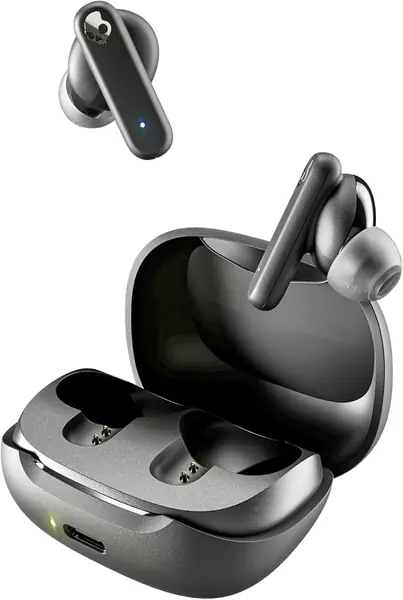
Best Comfortable Earbuds of 2026

An earbud that survives a 10-mile run and one you can leave in through a whole flight are rarely the same earbud. That's the tradeoff running through this category: the hooks, fins, and firm tips that keep a bud locked in are usually the ones that start pressing on your ear an hour in, while the soft pairs you forget about work loose the second you sweat. What you're shopping for, really, is a set you stop noticing. Over the past four months, my team and I have worn 16 pairs through commutes, workouts, and full workdays to find the ones that disappear.

Comfort is more than softness, which surprises people. Weight, nozzle length, tip material, and how much of the bud hangs off your ear decide whether it's still fine at hour four, and since bigger batteries and real noise cancellation usually mean bulkier buds, the most feature-packed pair isn't automatically the one you'll want all day. If you bounce between a laptop and a phone, multipoint pairing is worth prioritizing. Price matters less than you'd think, too: several of the least expensive pairs held up better than ones costing twice as much, and the picks below reflect that.

The Best Comfortable Earbuds

1

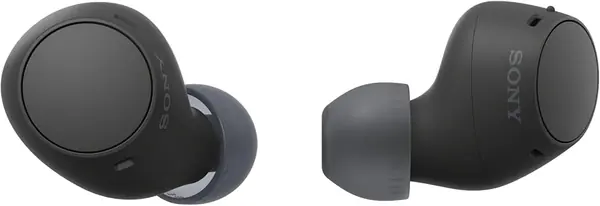
Sony WF-C510 Best Overall
90 /100
TKZ Score Outstanding

Key details

Total With Case
Up to 22 hours
Playtime Per Charge
Up to 11 hours
Water Resistance
IPX4
Multipoint
Two devices at once
View on Amazon

Most sealed earbuds give themselves away inside an hour: a shell pressing on the bowl of the ear, a nozzle sitting deeper than the canal wants, a tip that swells as it warms. The WF-C510 is the pair that disappears. It has the smallest shell of any sealed design here, short and round with a shallow nozzle, and by mid-morning we had stopped thinking about it — the highest compliment we can pay a bud that sits in your ear.

Eleven hours on a single charge is the longest per-charge figure among the sealed pairs in this guide, and a five-minute top-up buys an hour when you're already walking out the door. The case brings the total to 22 hours, which looks modest next to the 50- and 80-hour headlines elsewhere. Those numbers lean on case recharges; this one means you can leave the case on the desk and still get through a full day.

Two devices at once is the feature we ended up using most. Moving between a laptop and a phone without re-pairing is the kind of convenience you notice only when it's missing. Ambient Sound mode lets you order a coffee without taking a bud out, and IPX4 covers rain and sweat without promising a swim.

Tips decide the fit. Sony ships hybrid silicone tips, and the largest size is what unlocks the low end — if the bass sounds thin, the seal is the problem, not the driver. The case is small enough for a jeans pocket and the buds drop in without a ritual, which matters more often than a spec sheet suggests.

Pros

  • Smallest sealed shell here, with no pressure points
  • Eleven hours per charge, longest among sealed pairs
  • Multipoint keeps a laptop and phone connected

Cons

  • No active noise cancellation
  • Connection can drop while walking
Our verdict

We recommend the WF-C510 to anyone who wears earbuds for hours: it's the smallest sealed pair here, it lasts 11 hours a charge, and it never turns into a pressure point.
Check Latest Price
2

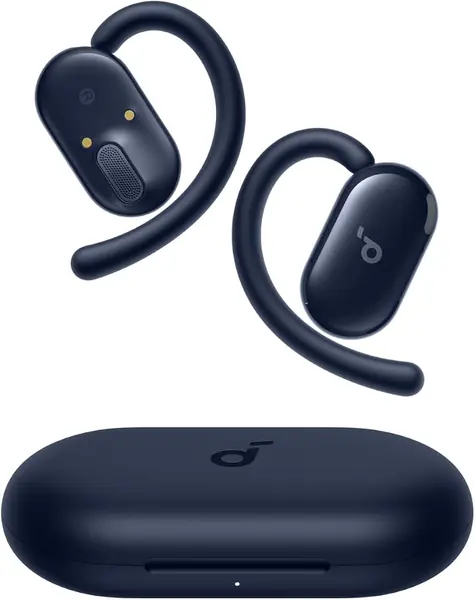
soundcore V20i Best Open-Ear

89 /100
TKZ Score Excellent

Key details

Total With Case
Up to 36 hours
Playtime Per Charge
Up to 8 hours
Water Resistance
IP55
Hook Adjustment
Four positions
View on Amazon

Open-ear buds usually hand you one hook angle and hope it lands. The V20i rotates through four positions, so when the plastic starts pressing behind your ear you can roll it forward or back and put the pressure somewhere else. That adjustment is the difference between an open pair you wear for a walk and one you forget you have on at your desk.

No hook fits every ear — that's the honest limit of the whole format — but the four positions give you somewhere to go when a spot starts to ache, and the 16 mm drivers keep music from sounding thin at low volume. That combination is what makes this the open-ear pair we reach for first.

Battery is the number to watch. Thirty-six hours with the case and eight per charge covers a workday, though loud sessions and long calls shave that figure, and playtime is where this pair is least consistent. The case holds 700 mAh and refills over USB-C in about an hour and a half. Four mics and an AI call algorithm handle calls, IP55 covers sweat and rain, and multipoint lets a laptop and a phone share them.

Pros

  • Four hook positions spread pressure where you need
  • 16 mm drivers keep open-ear sound full
  • IP55 and 36 hours with the case

Cons

  • No isolation
Our verdict

Our pick if you want to hear your surroundings without a sore spot: four hook positions let you move the pressure, and the open design keeps your canal clear all day.

Check Latest Price
3

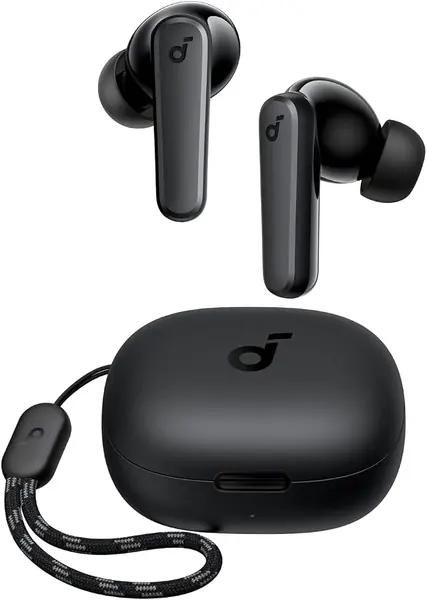
soundcore P20i Best Budget In-Ear

88 /100
TKZ Score Excellent

Key details

Total With Case
Up to 30 hours
Playtime Per Charge
Up to 10 hours
EQ Presets
22 in the app
Carrying Case
Built-in lanyard
View on Amazon

Cheap earbuds usually announce themselves — a hollow case, a shell that feels like a bottle cap, a lid that flexes. The P20i doesn't. The buds are small and rounded, the case has a lanyard loop and slips into a coin pocket, and nothing about the build gives the price away. It's one of the least expensive pairs in this guide and it doesn't act like it.

Ten hours on a charge is the second-longest single-charge figure here, and a ten-minute top-up gets you back into a podcast. The case carries 30 hours in total. The app is the quiet overachiever: 22 EQ presets, remappable controls, and a Find My Earbuds tone that you will be glad of exactly once.

For the money, we think it's the pair to buy if you have never found a tip that stays comfortable and want to learn which shape your ears accept before spending more. The shell is small, which helps in narrow canals, but the medium tips fitted at the factory don't suit everyone — work down through the sizes before you decide the buds are the problem.

Pros

  • Ten hours a charge at a budget price
  • 22 EQ presets and app control
  • Small rounded shell suits narrower canals

Cons

  • Longevity is uneven
  • Connection can cut out
Our verdict

Buy it if you want maximum earbud for minimum money: 10 hours a charge, 22 EQ presets, and a small shell that suits narrower ears.

Check Latest Price
4

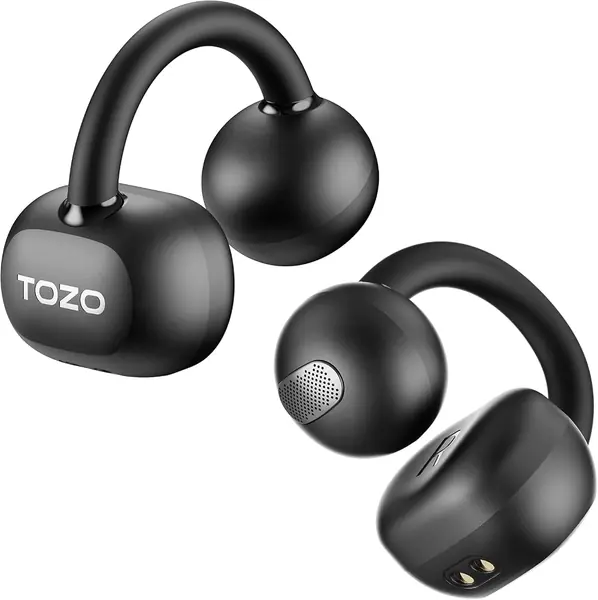
TOZO OpenEarRing Best Clip-On

87 /100
TKZ Score Excellent

Key details

Total With Case
Up to 40 hours
Playtime Per Charge
Up to 10 hours
Fit Design
Open-ear clip
App EQ Modes
32
View on Amazon

Earbuds have to go somewhere, and for plenty of ears the canal is the wrong place: glasses arms sit exactly where a hook wants to be, a piercing catches on a stem, and some canals never settle around silicone. The OpenEarRing clips onto the outer ear instead, with nothing entering the canal at all, and it's the pair we hand to anyone who has quietly given up on tips.

The sound is the surprise. A 10 mm driver in a clip-on has no business sounding this full, and the 32 EQ modes in the TOZO app let you pull the tuning toward whatever you're listening to. Ten hours per charge and 40 with the case covers a couple of days of commuting, and the digital display on the case means you're never guessing about the number.

Two things to know. There are no ear tips in the box — the clip is a single piece, so it either suits the shape of your ear or it doesn't, and there's nothing to swap when it doesn't. And nothing here isolates: the room comes with you. On a bike or a busy sidewalk that's the entire point; on a plane it isn't.

Pros

  • Clip sits off the ear canal entirely
  • Ten hours a charge, 40 with the case
  • 32 EQ modes in the app

Cons

  • Longevity is the gamble
Our verdict

We keep recommending this one to people whose ears have never tolerated tips — the clip sits off the canal, and it sounds better than any other open design here.

Check Latest Price
5

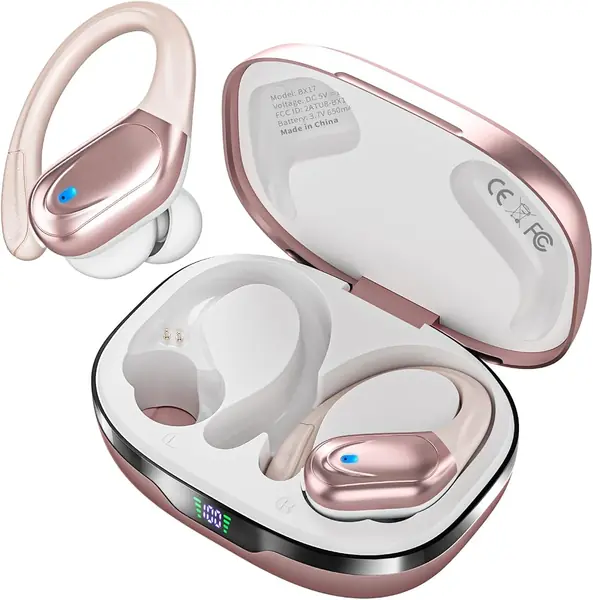
HAOYUYAN BX17 Best for Workouts

86 /100
TKZ Score Excellent

Key details

Water Resistance
IPX7
Fit Design
Ear hooks and three tip sizes
Total Playtime
Up to 80 hours
Controls
Push buttons
View on Amazon

The BX17 is built around a flexible ear hook, and the hook does two jobs at once: it keeps a 14.3 mm driver from working loose when you move, and it carries the weight on the outside of the ear instead of inside the canal. Three tip sizes come in the box, so you're choosing a seal rather than accepting one.

IPX7 is the highest water rating in this guide, and it's the number that matters if you sweat through a session or get caught in a downpour. We also noted the controls: they're physical buttons, not a touch panel, so adjusting a wet hook doesn't pause your music or hang up a call. On a workout pair, that's a small thing that comes up every single time.

Playtime is the headline — 80 hours total, the most here — though that figure counts case recharges, so read it as charge it once a week rather than once a month. Bluetooth 5.3 opens the connection as soon as the lid lifts, the range covers the usual 33 feet, and the case tops up over USB-C in about an hour and a half.

Pros

  • IPX7 is the highest water rating here
  • Physical buttons won't misfire when wet
  • 80 hours total is the most in this guide

Cons

  • Noise cancellation is call-only, not active
  • Only 90 days of warranty
Our verdict

For sweaty runs and rainy walks, this is our pick: IPX7 protection, hooks that stay put, and the longest total playtime here, at a price that makes a spare pair easy.

Check Latest Price
6

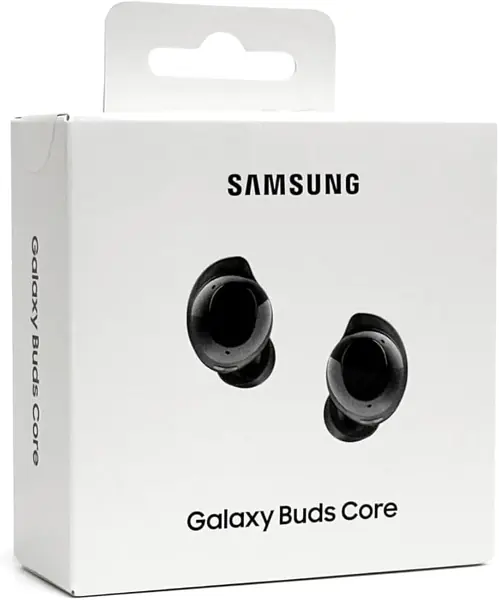
Samsung Galaxy Buds Core Best Noise Cancellation

85 /100
TKZ Score Excellent

Key details

Earbud Weight
0.19 oz
Total Playtime
Up to 35 hours
Noise Control
Active noise cancellation
Case Charge Time
1.5 hours
View on Amazon

Most of this guide is about letting the world in. The Galaxy Buds Core is the opposite proposition: seal the canal, switch the cancellation on, and let the office go quiet. If your listening happens on a bus, a plane or an open-plan floor, start here and work backward.

The noise cancellation is real rather than nominal, and it's the feature that holds up best on this pair. It also comes in the lightest sealed shell here, 5.5 grams a bud, which helps when you're wearing them through a full afternoon. An 11 mm driver does the rest, and the case is small enough to disappear in a jacket pocket.

What settled it for us is the balance. This is the only pair here that gives you genuine cancellation without a heavy shell, and the tuning has enough bass to survive a noisy commute. Choosing between blocking the room and staying comfortable is the usual trade-off in this category; this one gives up less of either.

The rest is conventional: 35 hours with the case, Bluetooth 5.4, touch controls, and a water-repellent finish rather than a waterproof rating — fine in drizzle, not in a pool.

Pros

  • Active noise cancellation that actually works
  • 5.5 grams per bud, lightest sealed pair here
  • 35 hours of playtime with the case

Cons

  • Charge runs down faster than the total suggests
  • Pairing can be hit or miss
Our verdict

If you want the room quiet, this is the pair we point to: active noise cancellation that works, in the lightest sealed bud here.

Check Latest Price
7

TRAUSI i27 Best for Lightest Hooks

84 /100
TKZ Score Excellent

Key details

Total With Case
54 hours
Playtime Per Charge
6 hours
Water Resistance
IPX7
Earbud Weight
0.25 oz
View on Amazon

An hour into wearing the i27, we stopped noticing it. That's the whole trick with a hook design and it's rarer than it should be: the hook either presses somewhere or it doesn't, and at 7 grams a bud this one mostly doesn't.

The specs read like a pricier set. IPX7 matches the best-protected pair here, Bluetooth 5.4 pairs on opening the case, and the case carries 54 hours of playback on top of the buds' own charge. Touch controls call up Siri or Google Assistant, a noise-cancelling mic handles calls, and three tip sizes come in the box.

Where it shows its price is the tuning. Bass is light and the low end thins out as you turn it up, so podcasts, audiobooks and calls fare better than bass-heavy playlists. Nothing sounds harsh; there's just not much weight behind it.

We kept it because it's the least expensive pair here and the least risky way to find out whether hooks work for your ears. If they do, you have a seven-gram daily driver for the gym and the commute. If they don't, you've spent the least of anyone in this guide finding out.

Pros

  • Seven grams per bud
  • IPX7 and 54 hours with the case
  • Least expensive pair in this guide

Cons

  • Six hours per charge is the shortest here
  • Only a 90-day warranty
Our verdict

We like it as a low-stakes experiment with hook-style buds: 7 grams a side, IPX7, and the cheapest way here to find out whether hooks suit your ears.

Check Latest Price
8

Skullcandy Smokin' Buds Best for Studying and Commuting

83 /100
TKZ Score Excellent

Key details

Total With Case
20 hours
Playtime Per Charge
8 hours
Water Resistance
IPX4
EQ Modes
3 presets
View on Amazon

Twenty hours of total battery is the smallest figure in this guide, and it undersells the Smokin' Buds. Eight hours in the buds covers a workday and 12 more in the case gets you through tomorrow. What you give up is the week-long buffer that the bigger cases elsewhere provide.

Comfort is why it's here. The shell is short and rounded, three tip sizes come in the box, and the fit is the kind that stops registering after a while, which is the standard this whole guide is built on. IPX4 handles sweat and light rain, and four taps on either bud cycles Music, Movie and Podcast EQ presets.

The sound is bass-forward without turning muddy, clear enough for podcasts at low volume, and the 6 mm drivers keep the shell small. Skullcandy builds it from 50% certified recycled plastics with fully recyclable packaging — a real difference at this end of the market, and one that costs you nothing in the hand.

What we take from it: as a second pair that lives in a bag or a desk drawer, it's easy to justify. Comfortable for hours, quick to charge, and cheap enough that losing one isn't a disaster. It just isn't the pair to carry you through a week away from a socket.

Pros

  • Comfortable for hours at a time
  • Recycled plastics and recyclable packaging
  • Three EQ presets on a simple tap

Cons

  • Connection can drop and need re-pairing
Our verdict

We see it as a bag-spare: comfortable for hours, tuned well for the money, and short enough on battery that you won't want it as your only pair.

Check Latest Price

How We Tested the Most Comfortable Earbuds

We started with more than 40 pairs from brands we've had good luck with over the years, then narrowed by fit style (in-ear tips, open-ear hooks, clip-on rings) along with price, water resistance, and whether they could hold a connection to two devices at once. Sixteen made the cut, and we spent four months living with them: on commutes, through full desk workdays, on runs, and on calls from the sidewalk outside the office.

Comfort got measured in hours, not opinions. We weighed every earbud and its case separately on a kitchen scale, since a couple of grams is what you feel at hour three. Each pair went through an eight-hour workday, and we noted the first moment something pinched or itched; open-ear hooks usually announced themselves along the top of the ear, in-ear tips behind the lobe. We also shook our heads, chewed through lunch, and ran a mile on a treadmill to see what stayed put.

Every pair played the same three tracks and a podcast at the same volume. Battery claims got checked by looping audio at half volume until a bud died, and multipoint got a laptop and a phone paired at once with a deliberate walk out of range while we logged every dropout.

Durability testing was mostly carelessness: cases went into a pocket with keys, off a table onto concrete, and under a running faucet when a water-resistance rating was claimed. We judged noise cancellation on a subway platform with nothing playing, careful to separate true active cancellation from microphones that only help the person on the other end hear you. Value was the final question, meaning what each pair cost against how it held up after four months rather than how it sounded in the first ten minutes.

How to Choose Comfortable Earbuds

Pick the Fit Mechanism First

The earphones here fall into three families, and each fails in a different place. Sealed in-ears put a silicone tip in the canal, which gives the best bass and the most isolation but asks your canal to host something foreign for hours. Ear hooks lift the weight out of the canal and press behind the ear instead. Open-ear clips sit on the outer ear and touch neither.

Decide which of the three your ears have tolerated before, then count what ships in the box. Three tip sizes is the minimum for a sealed pair, and on a hook or clip the adjustment matters more than the padding — which is why the soundcore V20i's four positions do more for comfort than any amount of soft plastic. Watch the wording: ergonomic and medical-grade describe a material, not your ear.

Read the Battery Number Twice

Almost every playtime figure on a box is the total with the charging case, not the hours you get from the buds. A 50-hour headline can mean eight hours in the buds and 42 in the case. Both numbers matter: the per-charge figure decides whether the case can stay at home, and the total decides how long the kit lasts in a bag.

Look for the smaller number. Our TRAUSI pick runs six hours a charge with 54 in total; the Sony runs 11 a charge with 22 in total. For a commute, either works. For a long flight or a double shift, take the higher per-charge figure. Quick-charge claims are usually a few minutes for about an hour of playback, which is genuinely useful on your way out the door.

Decide How Much of the World You Want In

Noise control is a comfort feature in disguise: the less the room intrudes, the lower you can keep the volume. Active cancellation does that electronically and needs a sealed fit to work, which is why the Samsung Galaxy Buds Core is the pick here for a bus or an open-plan office.

The opposite choice is just as deliberate. Open-ear designs leave the canal clear, so traffic, announcements and a colleague's question all arrive — right for running and cycling, wrong for a flight. No setting turns an open design into a sealed one, so this is a purchase decision rather than something you toggle later.

Check the Weight, Then the Controls

Grams per bud are the most underrated number on a spec sheet. The lightest sealed pair here is 5.5 grams and the lightest hook design is seven; less weight buys you more time before you notice anything at all, and a hook that presses will feel heavier than it measures.

Controls matter in a way the listings don't capture. Touch panels fire when you push a bud back into place; physical buttons don't. If you'll be adjusting a hook mid-run or wearing these with wet hands, buttons are the friendlier choice. Match the water rating to your worst day: IPX4 handles sweat and drizzle, IPX7 survives a soaking.

What Spending More Actually Buys

It isn't comfort. The least expensive pair in this guide weighs seven grams a bud and stays put through a workout, and a premium set can fit worse than a budget one if the shell shape is wrong for you. Money buys consistency — better drivers, steadier connections, longer support — plus features like active cancellation and multipoint.

So set the budget after the fit, not before. If you don't yet know which shape your ears want, start low, live with a pair for a week, and spend up once you know whether you're a tip person, a hook person or a clip person.

Frequently Asked Questions

Final Verdict

The Sony WF-C510 is the pair we point most people to. It has the smallest sealed shell in this guide, it runs 11 hours a charge, and it holds two devices at once — three things that decide whether earbuds stay comfortable past lunch.

If your ears have never tolerated a silicone tip, change the question rather than the brand. The TOZO OpenEarRing takes the canal out of the equation entirely, the soundcore V20i does something similar with a hook you can reposition, and the Samsung Galaxy Buds Core is the one to choose when you want the room to disappear instead of coming along.