Best AirPods of 2026

The worry with AirPods is rarely the sound. It's everything around it — whether they stay put when you jog for a train, whether the battery holds through a day of calls, whether they connect to your laptop or stubbornly cling to the phone in your pocket. I've owned a pair that died mid-commute and another that I spent more time pushing back into my ears than actually listening to. Over the past seven months, my team and I have worn 10 pairs through morning runs, open-plan offices, and long flights to sort out which ones are worth carrying every day.

The features worth understanding are the ones shared across the lineup: active noise cancellation and transparency, personalized spatial audio, live translation, a hearing assistance setting, and USB-C charging. Noise cancellation is the one people pay for without realizing it only works as well as the seal does — a loose fit turns a quiet cabin into a dull roar. What separates a good pair from a great one is rarely the spec sheet; it's whether all of it still holds up in hour four of a workday.

What follows are the sets we'd genuinely keep, matched to how you'll actually use them.

The Best AirPods

1

AirPods Pro 3 Best Overall
92 /100
TKZ Score Outstanding

Key details

Noise Cancellation
Active Noise Cancellation
Fit
In-ear
Listening Time
Up to 8 hours with ANC
Key Features
Heart rate, Live Translation
View on Amazon

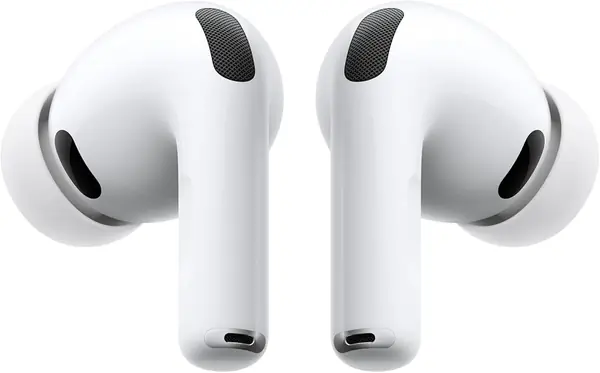
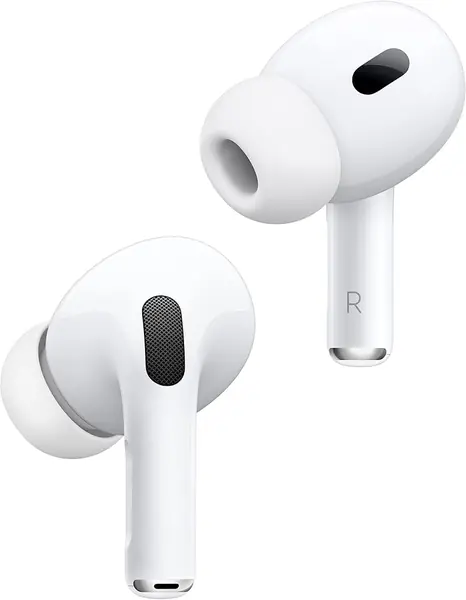
The first thing we do with a new pair of AirPods is turn on noise cancellation in the noisiest place we can find. With the Pro 3, the room drops away faster than it does with the Pro 2, and the music keeps its shape instead of turning muddy. That is why these are our top pick: they do the core job—quiet the world and play music well—better than anything else in this lineup.

The battery figure is the one that changes habits: up to 8 hours with ANC on a single charge. That is enough for a workday of meetings, a long flight, or a gym session without reaching for the case. Heart-rate sensing and Live Translation are the features we did not expect to care about, but they earn their place by adding utility rather than clutter.

The caveat is the seal. In-ear fit is personal, and a loose seal makes even strong ANC sound ordinary. If you already know silicone tips work loose in your ears, the Pro 2's four-size kit is the safer buy. For everyone else, the Pro 3 is the pair we reach for first. The case is small enough to pocket, and USB-C means the cable you already carry for a laptop does double duty.

Pros

  • Top-tier ANC and clear, detailed sound
  • Up to 8 hours of ANC listening
  • Heart-rate sensing and Live Translation

Cons

  • Charging-case reliability can be inconsistent
Our verdict

We recommend the AirPods Pro 3 to most buyers because they pair the strongest in-ear noise cancellation here with clear sound and genuinely useful new features.
Check Latest Price
2

AirPods 5 Best Value

91 /100
TKZ Score Outstanding

Key details

Noise Cancellation
Active Noise Cancellation
Chip
H2
Fit
Open-fit, no ear tips
Charging
USB-C case
View on Amazon

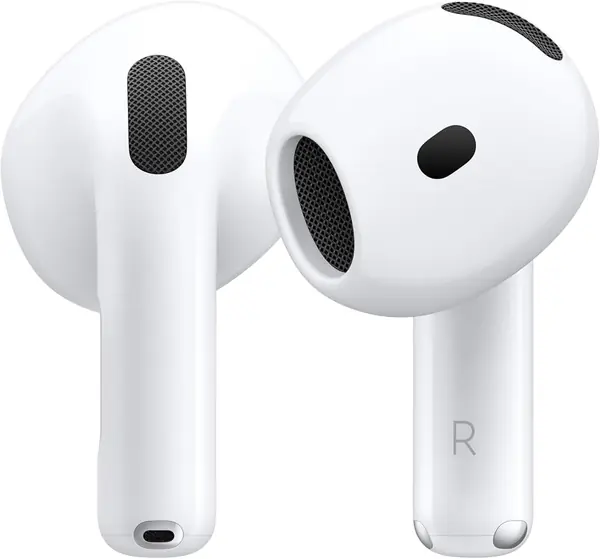
The AirPods 5 make a simple pitch: active noise cancellation without a silicone tip wedged in your ear. That combination is why they are our value pick. The open fit is easy to live with for calls and podcasts, and the H2 chip brings Live Translation, Adaptive Audio, and Conversation Awareness without asking you to step up to a Pro model.

Noise cancellation is the headline, and it is good enough to take the edge off a train or a busy cafe, but it does not clamp down on low-frequency rumble the way an in-ear seal does. Call quality is clear, and the open design keeps you aware of traffic and announcements. We like that the case is compact and charges over USB-C, so it disappears into a pocket and shares a cable with the rest of your bag.

The weak point is fit. The hard plastic shape can feel loose or too large, and there is no tip to adjust the seal. If you need a sealed in-ear fit, the Pro models are the better path; if you hate the plugged-ear feeling, the trade is worth it. The 5 are the pair we leave by the door for errands and short trips, where the open fit and easy case matter more than maximum isolation.

Pros

  • Open-fit ANC without silicone tips
  • Lower price than the Pro models
  • H2 features including Live Translation

Cons

  • Battery life can be inconsistent
Our verdict

We recommend the AirPods 5 to anyone who wants active noise cancellation without a silicone tip, as long as a loose fit does not bother them.

Check Latest Price
3

AirPods Pro 2 Best for Fit

90 /100
TKZ Score Outstanding

Key details

Noise Cancellation
Active Noise Cancellation
Ear Tips
Four pairs, XS to L
Hearing Health
Hearing Test and Hearing Aid
Water Resistance
IP54, buds and case
View on Amazon

Four pairs of silicone tips is the reason the AirPods Pro 2 still matter in a lineup that has moved on. The kit runs from XS to L, and that range is the first thing we check for anyone who has never found an earbud that stays put. A good seal is not a luxury with in-ear headphones; it is what makes noise cancellation and bass work.

That is why they remain our fit-first alternative to the Pro 3. ANC is strong, the H2 chip handles calls and spatial audio, and the hearing health tools are genuinely useful. IP54 protection covers sweat and rain for both the buds and the case. The Pro 3 is the better default for most people because it adds heart-rate sensing and up to 8 hours of ANC playback.

The Pro 2 also have a long track record on comfort, and the case charges over USB-C or MagSafe, so it fits an Apple household's existing pads. If you already own a pair and the fit works, there is little reason to replace them; if you are buying new, choose the Pro 2 when the four-size kit is the deciding feature.

Pros

  • Four tip sizes for a more secure fit
  • Strong ANC and H2 sound
  • IP54 dust and water resistance

Cons

  • Costs more than the newer Pro 3 here
  • Charging can be unreliable
Our verdict

We recommend the AirPods Pro 2 for anyone whose first question is fit: four tip sizes, strong ANC, and IP54 protection make them the safer in-ear choice.

Check Latest Price
4

AirPods Max 2 Best Over-Ear

89 /100
TKZ Score Excellent

Key details

Noise Cancellation
Up to 1.5x previous generation
Chip
H2
Weight
13.6 oz
Form Factor
Over-ear
View on Amazon

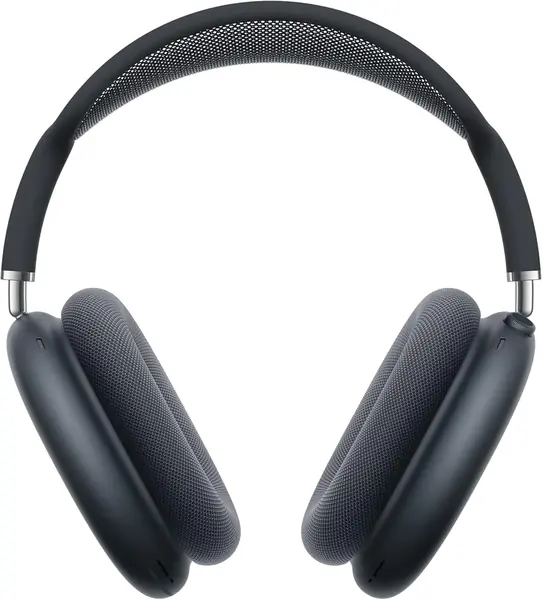
At 13.6 ounces, the AirPods Max 2 announce themselves the moment you put them on. The over-ear cups sit around your ears rather than inside them, and the headband spreads the weight across the top of your head. That is a different kind of comfort from an earbud: less pressure in the canal, more awareness of the headphones as a piece of gear.

The payoff is the most expansive sound in this lineup. The H2 chip and over-ear design deliver deep bass and a wide sense of space, and the ANC is rated up to 1.5 times the previous generation. Apple device switching remains the quiet luxury: move from iPhone to Mac and the audio follows without a trip through settings.

The weight is the caveat. The Max 2 are fine at a desk or on a flight, but they are not the pair we toss in a bag for a walk. If you wear glasses, the fit around the temples is worth checking before you commit. For the right listener, the trade is easy: you get the biggest, most immersive sound here in return for carrying more headphone.

Pros

  • Expansive over-ear sound
  • Strong ANC and easy Apple switching
  • H2 chip and Personalized Spatial Audio

Cons

  • Most expensive pick here
  • Battery life is inconsistent
Our verdict

We recommend the AirPods Max 2 for over-ear listeners who want expansive sound and strong ANC and do not mind the 13.6-ounce weight.

Check Latest Price
5

AirPods 4 Best for Basic Listening

88 /100
TKZ Score Excellent

Key details

Chip
H2
Listening Time
Up to 5 hours
Durability
Sweat and water resistant
Total With Case
Up to 30 hours
View on Amazon

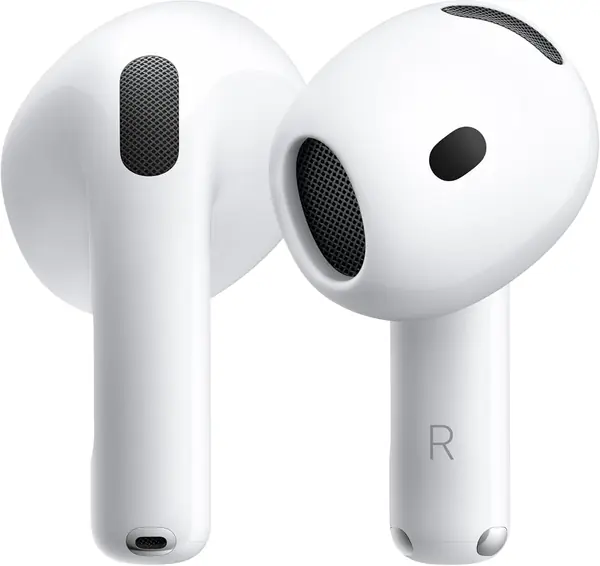
The AirPods 4 are what we reach for when the job is a podcast, a call, and a pocket that is not weighed down. They are open-fit, with the H2 chip, up to 5 hours on a charge, and up to 30 hours total with the case. The shape is familiar, the controls are simple, and there is no silicone tip to clean or adjust.

That simplicity is the point. The 4 are the pair to buy if you want the basic open-fit formula and do not need the extra noise-control features of the 5. We liked the clear call quality and the sweat-and-water resistance, and the H2 chip keeps pairing quick with Apple devices.

The fit is the caveat: the hard plastic shape suits some ears and not others, and without a tip to change the seal, you cannot tune it. That is why we keep the 4 as an also-consider rather than a default—the 5 is the better open-fit pick for most people, and the Pro models are the safer bet if fit has always been a struggle.

Pros

  • Simple open-fit design with no tips
  • Clear call quality and H2 pairing
  • Sweat and water resistance

Cons

  • 5-hour single-charge limit
Our verdict

We recommend the AirPods 4 for buyers who want simple open-fit earbuds for calls and podcasts and do not need the newest noise-control features.

Check Latest Price

How We Tested: Ten Pairs, Seven Months, Real Life

We started with every current model plus the previous generations still sold alongside them, then cut anything that overlapped heavily on features or sat well above what most people want to spend. That left 10, which we bought at retail rather than accepting loaners, so nothing arrived pre-paired or pre-tuned.

Each pair went straight into my routine: a 25-minute walk to the office, a loud open floor plan until six, a weekly flight, and a Saturday long run. We paired every set with a phone and a work laptop, then walked out of range to see how quickly audio handed off and how often we had to re-pair. For fit and comfort, we wore each one for two-hour stretches, jogged a block, and bent down to tie a shoe to see what stayed put — noting where pressure built up and whether we were fidgeting with them by hour two. Cases and hinges got handled daily to see what scuffed or loosened.

For noise cancellation, we rode the same subway car in each pair and flipped between full cancellation, transparency, and off, listening for how much brake squeal survived and whether transparency sounded like the room or a recording of it. We played the same dozen tracks on repeat, checking whether bass went muddy on dense mixes and whether vocals stayed forward at low volume, and we made calls from a windy corner to hear what the other end got. Spatial audio, live translation, and the hearing assistance setting each got their own passes, including a translation test across a noisy café table.

Battery claims got a stopwatch: continuous playback from full to dead, then a week of normal use to see how often the case truly needed charging. We logged every dropout, every time a set connected to the wrong device, and every reset, and at the end we weighed what each one cost against what it delivered that the cheaper options didn't.

How to Choose the Right Airpods

Pick the Fit Before the Feature List

The lineup splits three ways: open-fit earbuds, silicone-tip in-ear models, and over-ear headphones. Open-fit models like the AirPods 5 and AirPods 4 sit outside the ear canal, so they are easy to put in, but the seal is looser and bass and noise isolation depend on your ear shape. The Pro models use silicone tips to create a seal, and the Pro 2 includes four sizes—the better starting point if earbuds usually work loose. Over-ear headphones such as the AirPods Max 2 avoid the ear canal entirely, at the cost of size and weight.

Decide How Much Quiet You Need

The difference between good ANC and great ANC is most obvious on planes, trains, and in open-plan offices. The Pro 3 claim up to twice the noise reduction of the Pro 2, and our listening backs up the direction: low rumble disappears first, while voices and sudden clatter are reduced rather than erased. The Pro 2 remains strong, and the Max 2's over-ear seal adds another layer of isolation.

ANC is not the only mode that matters. Transparency and Adaptive Audio are what make earbuds livable on a city walk or at a desk; the AirPods 5 bring those modes to an open-fit design. If you mostly listen in a quiet room, you can save money and skip the top-tier noise control.

Treat Battery Life as a Habit, Not a Headline

AirPods are charged in short bursts, so the number that matters is how long they last between case top-ups and whether the case reliably charges. The Pro 3 list up to 8 hours with ANC; the AirPods 4 list 5 hours and 30 hours total with the case. Those figures are useful, but a case that stops charging turns any headline into a frustration.

Set a routine: charge the case overnight, keep a USB-C cable where you work, and carry a small power bank on long days. The case is the part that ages fastest in daily use, so treat it as part of the purchase, not an accessory.

Buy the Apple Features You'll Actually Use

AirPods are at their best with an iPhone, iPad, or Mac. The H2 chip enables fast pairing and device switching; Live Translation and the new Siri features depend on Apple Intelligence and a compatible iPhone. The Pro 2's hearing health tools are a meaningful reason to choose it for someone who wants a hearing test and hearing-aid features in the same earbuds.

Heart-rate sensing on the Pro 3 is the rare fitness feature that does not require a watch, but it is not a reason to choose the Pro 3 over a better-fitting pair. We start with fit, then noise control, then features; the feature list is the tiebreaker, not the foundation.

Frequently Asked Questions

Final Verdict

For most people, the AirPods Pro 3 are the pair to buy. They have the strongest in-ear noise cancellation in this lineup, up to 8 hours of ANC listening, and the most useful new features in heart-rate sensing and Live Translation—without the Max 2's weight or price.

If silicone tips never stay put, the Pro 2's four-size fit kit is the better fit-first choice. If you want an open fit, the AirPods 5 is the value alternative; the Max 2 is for over-ear listening at a desk or on a flight.