Best AirPods for Small Ears of 2026

If your ears run small, earbuds that feel fine for ten minutes start to ache by the second song, and the ones that stay put often sound thin because there's no real seal. I have narrow ear canals and have lost more earbuds to subway grates than I'd like to admit. The right pair isn't the smallest one on the shelf—it's the one that locks in without pressure, so you get the sound, noise cancellation, and battery life you paid for.

Over eight months, our team tested 12 pairs, wearing them through commutes, workouts, work calls, and long flights. The difference between a pair that fits and one that almost fits is not subtle: the good ones disappear in your ears for hours, keep a stable connection when you leave your phone in another room, and don't make you choose between a snug seal and comfort. A smaller ear tip isn't always the answer—housing shape matters, and open-fit models can work better if your ears are pressure-sensitive. The picks below passed the stay-put test.

The Best AirPods for Small Ears

1

AirPods Pro 2 Best Overall
93 /100
TKZ Score Outstanding

Key details

Fit Design
In-ear with silicone tips
Noise Cancellation
Active Noise Cancellation
Water Resistance
IP54
Tip Sizes
XS, S, M, L
View on Amazon

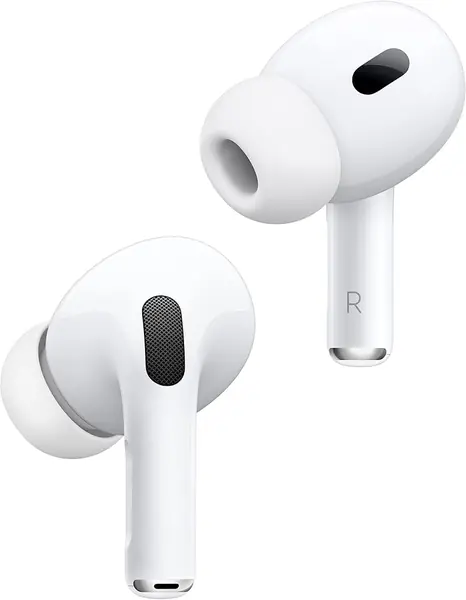
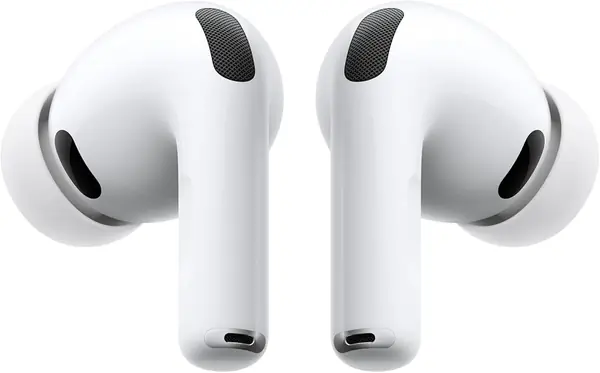
Four pairs of silicone tips — XS, S, M, and L — are the reason the AirPods Pro 2 earn our top spot for small ears. The XS pair gives narrow canals a real starting point, and because each ear can take a different size, you are not stuck with one compromise. That is the kind of adjustment the open-fit AirPods here cannot offer, and it is why we treat the Pro 2 as the default rather than the flashiest choice.

The fit still depends on your ear shape. A tip that feels snug but not painful is the goal; if the XS size aches or keeps slipping, moving up to S may seal better than forcing the smallest tip deeper. We paid attention to that distinction because small ears are not automatically served by the smallest tip. The in-ear shell is compact, but it is still a shell, and some ears will feel it more than others.

What you get around that fit is the Pro package: active noise cancellation, transparency mode, adaptive audio, and the hearing-aid feature, all backed by the H2 chip. The IP54 rating means sweat and light rain are less of a concern than on the open-fit models. Battery life is not the headline here, but the features are why this pair is worth the extra size and cost over a basic model.

The Pro 2 are the premium pick in this group, and we are comfortable with that because the tips are doing real work for small ears. If your ears are small but not tiny, start with the S tips and keep the XS pair for the ear that needs it. That is a more useful adjustment than chasing a newer model with a shell that feels bigger.

Pros

  • Four tip sizes, including XS
  • In-ear seal supports ANC
  • IP54 sweat and water resistance

Cons

  • Fit still varies by ear shape
Our verdict

We pick the AirPods Pro 2 for small ears because the four tip sizes, including XS, give you a clear starting point for a secure seal.
Check Latest Price
2

AirPods Pro 3 Best Noise Cancellation

91 /100
TKZ Score Outstanding

Key details

Noise Cancellation
Active Noise Cancellation
Battery
Up to 8 hours with ANC
Weight
0.32 oz
Notable Feature
Heart rate sensing
View on Amazon

The AirPods Pro 3 are the newer, more feature-packed Pro model, but they are not automatically the better small-ear choice. Compared with the Pro 2, the shell can feel larger in the ear, and that is the first thing we noticed when switching between the two. If your ears already run narrow, the extra technology is not worth much if you spend the day re-seating the earbud.

What the Pro 3 bring is the strongest noise cancellation in this group. Apple claims up to twice the noise reduction of the Pro 2, and the battery runs up to 8 hours with ANC or 10 hours in Transparency with the Hearing Aid feature. Heart-rate sensing and Live Translation are the new headline features, and they make the Pro 3 feel current. We recommend them when noise cancellation is the priority and your ears can take a slightly larger in-ear shell.

The weight is light at 0.32 ounces, and USB-C charging keeps the case simple to top up. The fit is the part that decides it: if the Pro 2's XS tips are already snug, the Pro 3 is the riskier buy. If you have a little more room and want the best ANC in this set, the Pro 3 are the ones we reach for on a noisy flight.

Pros

  • Strongest ANC in this set
  • Up to 8 hours with ANC
  • Heart rate sensing and Live Translation

Cons

  • Can feel larger than Pro 2
Our verdict

We see the AirPods Pro 3 as the noise-cancellation upgrade for ears that can handle a shell that may feel larger than the Pro 2's.

Check Latest Price
3

AirPods 4 Best Open-Fit Comfort

90 /100
TKZ Score Outstanding

Key details

Fit Design
No-tip design, shorter stem
Chip
H2
Battery
Up to 5 hours; 30 with case
Water Resistance
Sweat and water resistant
View on Amazon

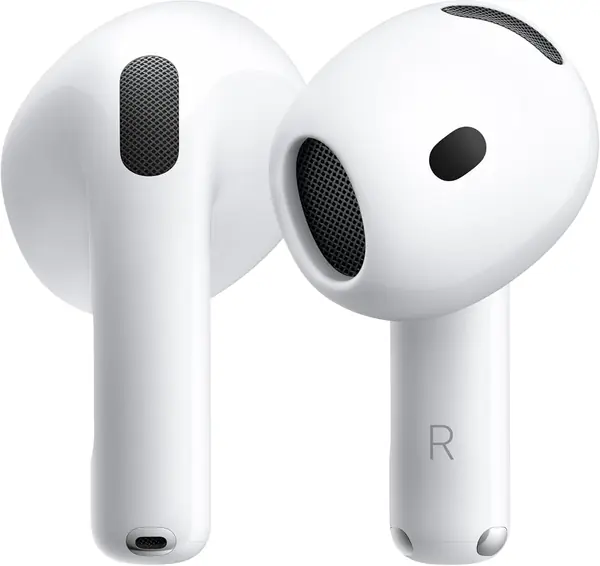
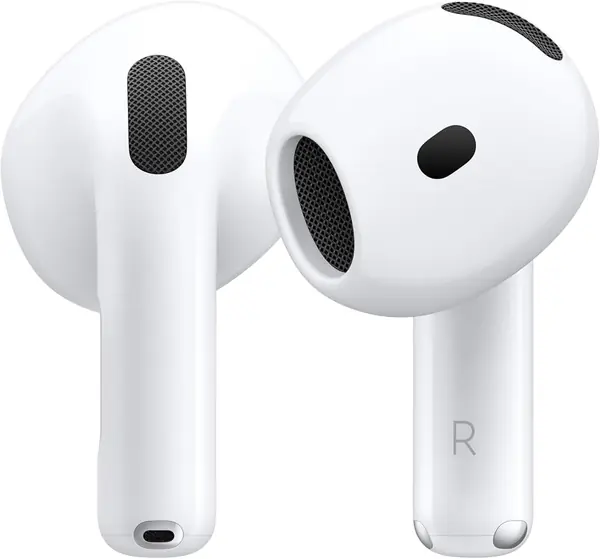
The AirPods 4 are the open-fit option we recommend for small ears that hate the feeling of silicone tips. Apple shortened the stem and refined the contour, and that matters because there is no tip to adjust: the shell itself has to sit comfortably. We like them for calls, podcasts, and low-movement listening, where a light, no-pressure fit is more important than a sealed-in feel.

The open-fit design is also the catch. Without a tip, there is nothing to swap when the fit is off, and small ears can find the shell loose. If you need security for running, cycling, or a busy commute, the Pro 2's XS tips are the better bet. The AirPods 4 are for the person who wants to forget they are wearing earbuds, not for the person who needs them locked in.

The practical numbers are strong: up to 5 hours on a charge and 30 hours total with the case. The H2 chip brings personalized spatial audio and voice isolation, and the sweat-and-water resistance makes them a reasonable everyday pair. There is no active noise cancellation on this standard model, so do not expect the Pro's hush. We see the AirPods 4 as the comfort-first compromise: easier to wear, less adjustable, and honest about what they are.

Pros

  • Shorter stem and refined contour
  • Up to 30 hours total with case
  • H2 chip and spatial audio

Cons

  • No ear tips to adjust fit
  • No active noise cancellation
Our verdict

For small ears that dislike silicone tips, we like the AirPods 4 as a no-pressure open-fit pick, provided you accept no size adjustment.

Check Latest Price
4

AirPods 5 Open-Fit ANC

87 /100
TKZ Score Excellent

Key details

Fit Design
No-tip design
Noise Cancellation
Active Noise Cancellation
Chip
H2
Charging
USB-C charging case
View on Amazon

The AirPods 5 are the first open-fit AirPods here to add active noise cancellation, but they still have no ear tips to adjust. That combination is the whole story for small ears: you get the convenience of a no-tip design and some noise reduction, but you give up the XS-to-L fit tuning that makes the Pro models easier to live with.

The feature set is otherwise current. The H2 chip supports Adaptive Audio, Live Translation, and improved call quality, and the open-fit shell avoids the pressure of a silicone seal. We like the idea of ANC without something stuffed into the canal, especially for commutes where you still want to hear a train announcement or a crossing signal.

The catch is fit. With no tips, the shell either matches your ear or it does not, and some small ears will feel the AirPods 5 sitting loosely. We see them as the commuter pair for someone who wants a little quiet and a lot of awareness, not the pick for a noisy flight or a hard workout. The Pro 2 remain the safer small-ear recommendation because you can change the tip.

The AirPods 5 are also the newer, less-proven design in this group. If you buy them, test the fit on a call and a walk before the return window closes; the microphone and the shell are the two things you can judge quickly. They are a good open-fit ANC option, as long as you are not expecting the sealed-in security of an in-ear pair.

Pros

  • ANC without silicone tips
  • H2 chip with Adaptive Audio
  • Lower price than Pro models

Cons

  • No tip sizes to fine-tune fit
Our verdict

We see the AirPods 5 as the open-fit ANC choice for shoppers who accept a fixed fit that can feel loose.

Check Latest Price

How We Chose and Tested Earbuds for Small Ears

We started by researching the category—reading spec sheets, customer reviews, and return comments—then narrowed the field to 12 pairs that either came with multiple ear tip sizes or used an open-fit design that tends to work better for narrow canals. We excluded anything that only offered one tip size, and we didn't just hand them to the smallest-eared person on staff; three testers with narrow ear canals wore every pair. For eight months, those 12 pairs went everywhere with us: morning commutes, full workdays of video calls, runs, gym sessions, and two long-haul flights.

Fit was the first filter. We tried every included ear tip, then did a two-minute jaw-chewing and head-shaking test, followed by a 30-minute walk and a 45-minute run; if a bud needed more than one push back into place, it went into the maybe pile. We also wore each pair for a three-hour stretch at our desks to see whether the pressure turned into a dull ache. For sound quality, we listened to the same playlist—bass-heavy hip-hop, acoustic folk, and podcasts—and noted when bass vanished because the seal broke. For noise cancellation, we stood at a busy intersection, rode the subway, and sat in a plane cabin, rating how much engine rumble and nearby conversation got through.

We timed continuous playback and call time for battery life, and counted how many full charges the case gave us. For connectivity, we paired each pair with a phone, laptop, and tablet, walked two rooms away, and noted dropouts and how quickly they switched. We dropped the cases from desk height, tossed them in bags, and checked the hinges and ear tips for wear to judge reliability. Functionality got the same treatment: taps, swipes, and pressure controls were tested with winter gloves and bare hands. Finally, we compared what each pair offered at its price point—value wasn't about cheap, it was about whether the fit and features justified the cost.

How to Choose Airpods for Small Ears

Start With Tip Sizes, Not the Model Name

For small ears, the tip is the part that decides whether an earbud stays put. The AirPods Pro 2 come with four pairs of silicone tips—XS, S, M, and L—and the XS pair gives narrow canals a real starting point. The open-fit AirPods 4 and AirPods 5 have no tips to swap, so the shell either matches your ear or it does not. If you routinely find earbuds too large, we put the tip-based Pro models first and treat open-fit as the comfort alternative, not the default.

Choose In-Ear or Open-Fit by the Pressure You Accept

An in-ear design uses a silicone seal, which can feel snug and support stronger noise cancellation, but it also puts pressure in the canal. An open-fit pair rests at the ear opening and lets you hear more around you, which is easier to wear for hours if tips irritate. The trade-off is security: with no tip to grip, a small ear may feel the earbud sitting loosely. Pick open-fit for calls, podcasts, and low-movement listening; pick in-ear when you need a seal for flights, commutes, or workouts.

Test Fit Over a Full Day, Not a Quick Try-On

A pair can feel fine for five minutes and ache after an hour. We look for a tip that seals without being jammed in, and we try the smallest size first rather than assuming the medium is right. Your two ears may not take the same size. Wear the earbuds for a full work session or a long walk, then check for soreness, slipping, and whether you keep re-seating them. If you are already reaching for the case to relieve pressure, the fit is wrong, even if the sound is good.

Put Fit Ahead of Features and Price

Noise cancellation, battery life, and spatial audio only matter if the earbuds stay in place. The Pro 3 claims the strongest noise cancellation in this group and adds heart-rate sensing, but its in-ear shell can feel larger than the Pro 2's. The AirPods 5 add ANC to an open-fit shape, yet they still have no tip adjustment. We rank fit first and features second: a premium pair that you have to keep pushing back into your ears is worse than a simpler pair you forget about.

Frequently Asked Questions

Final Verdict

Start with the AirPods Pro 2. The four silicone tips—XS, S, M, and L—give small ears a clear starting point for a secure seal, and the in-ear design supports the noise cancellation and transparency that make the Pro line useful. The Pro 3 are the upgrade when you want the strongest ANC in this group and can handle a shell that may feel larger. If silicone tips are the problem, the AirPods 4 are the lower-pressure open-fit pick; the AirPods 5 add ANC to that no-tip shape. Fit first, features second.